In this guide
A city break often leaves you a pocket of time that looks too small for a grand plan. There are three hours before dinner, a free afternoon between reservations, or a morning when nobody wants another enormous museum. These gaps can become some of the nicest parts of the trip if you give them one clear shape.
Here are specific ways to use two to four hours in Paris, Rome and Lisbon. The time ranges are editorial planning allowances, including a little breathing room; they are not promises about queues or a substitute for an operator’s booked duration. Choose one area and one main intention: wander, look closely or make something.
Paris: a covered-passage wander
Best for: an unhurried browse, especially when the weather is changeable. Allow: roughly two to three hours from a convenient central starting point.
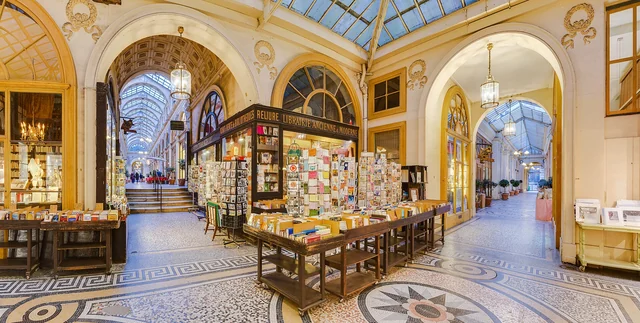
Build the outing around Passage des Panoramas, Passage Jouffroy and Passage Verdeau. Their appeal is the small scale: covered walkways, windows to linger over and the pleasure of turning attention toward details instead of a distant monument. You can browse books or specialist shops without having to make a purchase the purpose of the walk.
Leave a genuine pause for a drink or food on the surrounding streets. The passages are separate spaces with street crossings, not one continuous indoor shopping center. Shop and passage access can vary, so an evening wander and a daytime browsing trip are different propositions. Our full rainy-day passage guide explains the route more fully.
Paris: make the afternoon about perfume
Best for: someone who wants a focused activity and a personal souvenir. Allow: a booked session plus arrival, travel and a quiet pause afterward.
Molinard’s Classic workshop is publicly described as a one-hour fragrance-making format. That makes it a possible anchor for a small gap, provided the actual session and location fit. Do not fill the remaining time with another ticketed attraction. Give yourself room to arrive, concentrate and leave with the bottle safely packed.
This is a particularly good alternative when the day has already involved a lot of walking. Read our Paris perfume guide for the differences between the advertised workshop formats; more time or more essences does not automatically make an option better for your interests.
Rome: the Pantheon and a small central loop
Best for: a first taste of central Rome without trying to see everything. Allow: two to three hours, with a current admission plan.
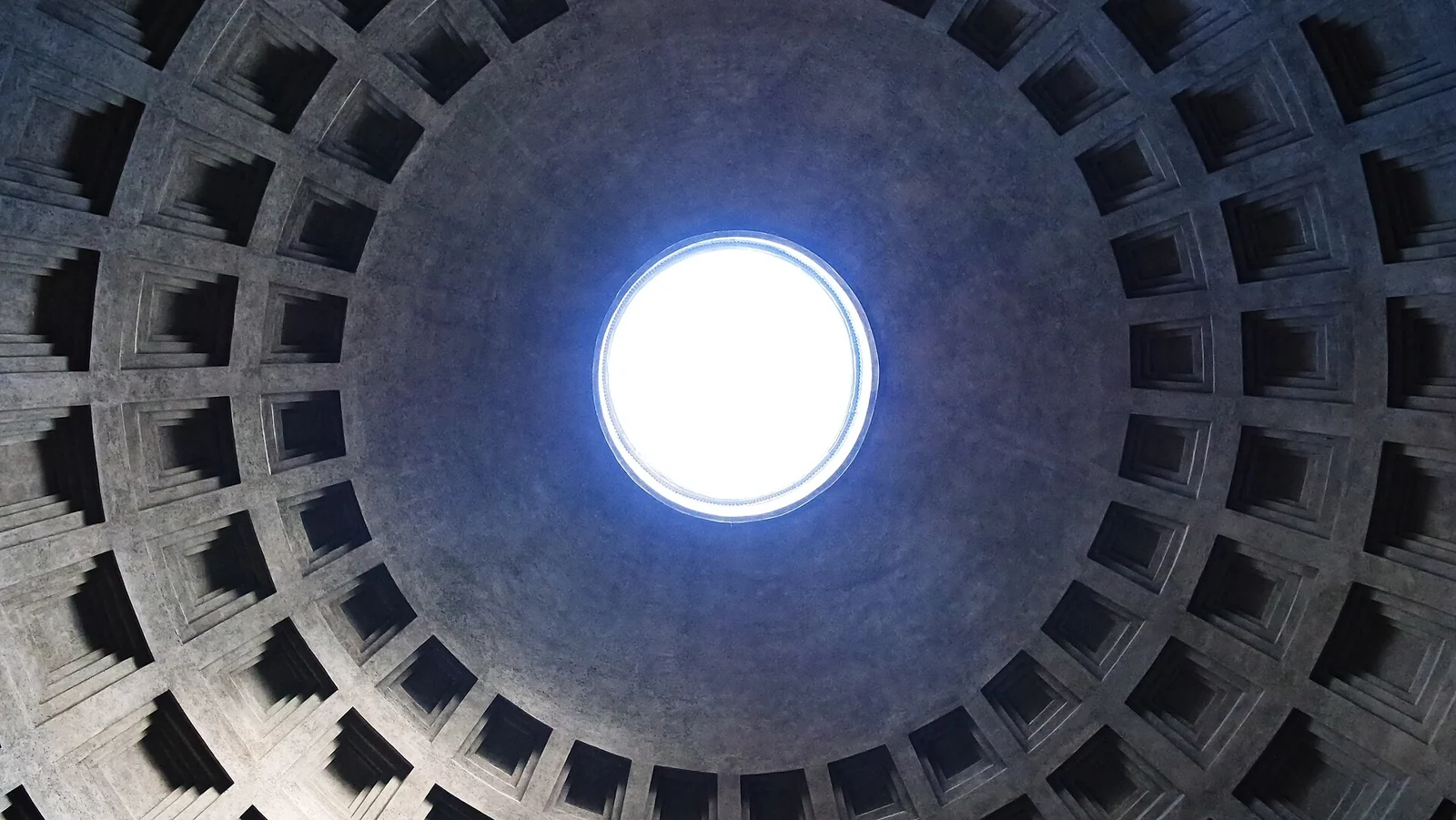
Use the Pantheon as the main visit, then keep the wander close: Piazza della Rotonda, the lanes toward Piazza di Pietra and one café stop. The building is the reason to come; the streets afterward give the visit a softer edge. Resist adding the Colosseum just because it also appears on the map.
The Pantheon is a working church as well as a visitor attraction. Check official ticketing and visit conditions for the day, including any service-related restrictions. An attractive third-party “skip the line” label should not replace the official entry information. Our slower Rome guide links the primary visitor sources.
Rome: Trastevere without a long checklist
Best for: lunch, lanes and conversation. Allow: about two to four hours, depending on where you start and whether you add a visit.
Anchor the outing around Piazza di Santa Maria in Trastevere and the surrounding streets. Give lunch a proper place in the schedule, then take a small loop rather than marching through every lane. If the church is open to visitors, step inside respectfully; if a service is taking place, let the square be the meeting point instead.
Villa Farnesina can be a more focused art choice nearby, but it needs a deliberately earlier plan. Its current official timetable closes at 14:00, with last entry at 13:15. It is not a reliable late-afternoon add-on after a leisurely lunch.
Lisbon: Baixa to the river, with a proper pause
Best for: a gentle central introduction. Allow: around two to three hours.
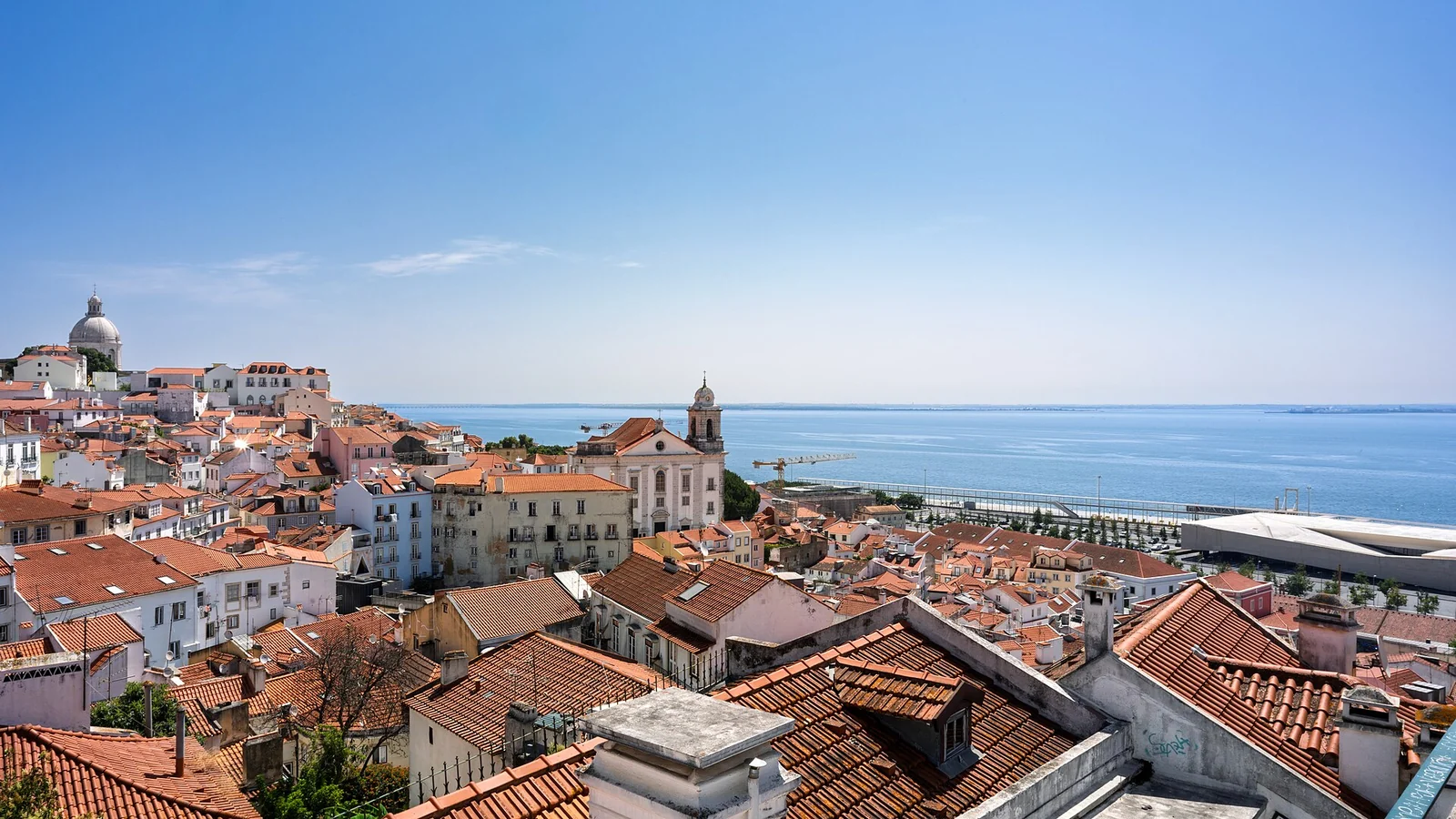
Begin around Rossio, follow a simple route through Baixa and let Praça do Comércio be the spacious ending. Browse a little, stop for a pastry and sit when the urge arrives. The satisfaction comes from seeing the city’s streets unfold toward the Tagus, not from attaching a new sight to every block.
Keep this outing separate from an ambitious Alfama climb. Lisbon’s hills are part of the city’s beauty, but they change the effort and time of a short route. If your day bag is heavy or the weather is hot, a simpler riverward plan can be more enjoyable than chasing a viewpoint.
Lisbon: choose one making session
Best for: a creative souvenir or a food-centered afternoon. Allow: the full booked duration, then arrival and onward travel.
Formettes advertises a two-and-a-half-hour paper-to-tile workshop, which can become the whole afternoon rather than a quick stop within it. Nat’elier’s masterclass is another specific direction for someone who would rather understand a pastel de nata than simply buy one. Its advertised format is two hours, so a spare two-hour gap is not enough once travel and arrival are included.
Choose between them by process: designing a visual keepsake or taking part in a baking session. Check the confirmed location and collection arrangements before attaching either one to departure day.
How to choose the right little plan
First subtract the journey you must make afterward. Then subtract the arrival buffer for that next commitment. What remains is your usable time, and it may be smaller than the gap on the calendar. Pick an option nearby and give it permission to be enough.
If you have only ninety comfortable minutes, a square, a few streets and a seat can be the whole outing. A city does not become less memorable because you stop adding things to it. Sometimes the spare hours are where it finally starts to feel like a place you are in, rather than a list you are completing.
Sources & practical updates
Researched 2 November 2026. Public prices and schedules are dated snapshots. The exact booking, itinerary and access needs determine the final details.
These guides combine independent research and original planning advice. We have not personally attended the listed experiences; illustrative routes and projects are identified in the text.