In this guide
- Look for a task that gives the conversation somewhere to go
- 1. Paris perfume-making for a compact first step
- 2. A Rome pasta class when a shared task appeals
- 3. Lisbon tile design for someone who likes a visual project
- 4. A pastel de nata masterclass for a food-centered afternoon
- 5. A Rome mosaic session for quiet concentration
- A gentle first-class plan
- Let the session be successful on its own terms
Booking a class alone can feel oddly more daunting than visiting a museum alone. A museum lets you disappear into the rooms. A workshop asks you to sit down, introduce yourself and try something with your hands. That can be part of the pleasure, provided you choose a format that gives you enough structure to settle in.
This guide offers five specific starting points in Paris, Rome and Lisbon, plus a practical way to shape the afternoon. They are researched options rather than classes we have personally attended. Availability, minimum booking requirements and whether a shared session will actually run need checking for your date.
Look for a task that gives the conversation somewhere to go
For a first solo workshop, a defined project can be easier than an entirely open studio. Mixing a fragrance, making dough or arranging a pattern gives you something to focus on while the group gets comfortable. You do not have to arrive with a compelling travel story or instantly become everyone’s friend.
Choose an interest you already have a little curiosity about. You might like scent, enjoy food or notice patterns on buildings. That small connection is enough. The goal is an enjoyable period of making, not proof that you have discovered a new lifelong identity.
1. Paris perfume-making for a compact first step
Molinard’s advertised workshop formats give you a defined process and an individual bottle. The one-hour Classic format can suit someone who wants a focused first experience without committing a whole day. The longer Premium format has a published group cap, which may matter if you prefer a smaller shared setting.
Choose by duration and format, then check that a single place is available for your session. A per-person price does not, by itself, prove there is no minimum booking or that the class will run with one participant. Ask if the booking screen is unclear.

2. A Rome pasta class when a shared task appeals
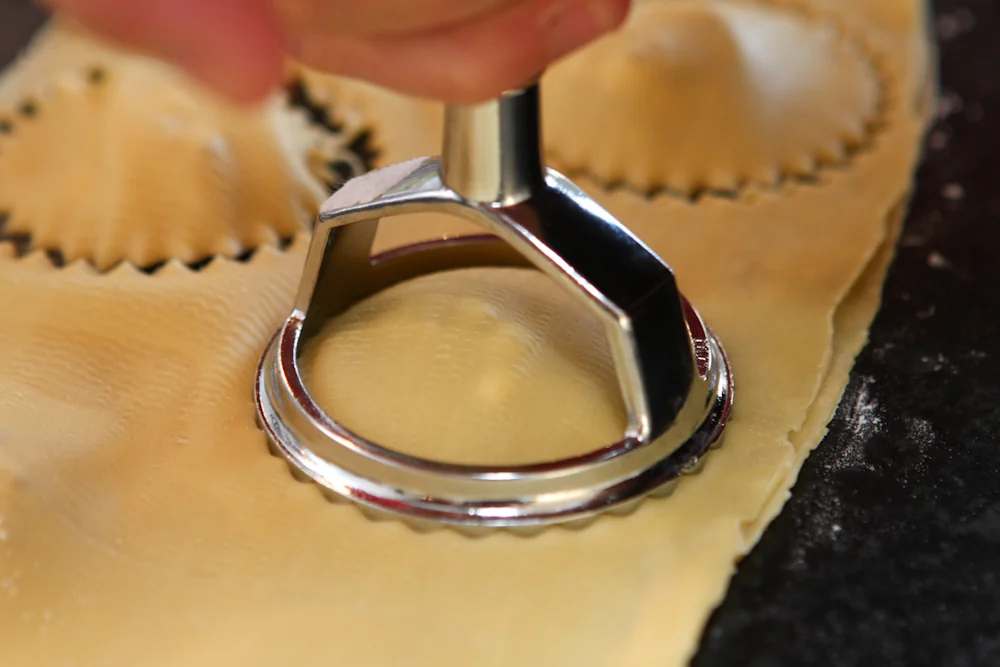
iQook’s pasta-and-tiramisu product is one concrete Rome option to investigate. Food preparation gives the session a natural sequence, which can make a shared table appealing even if you are not especially chatty. Read the actual class description for what you prepare, what you eat and where you meet.
Settle dietary suitability before paying. A cooking class is a less forgiving place to discover an ingredient problem than an ordinary café, because the planned recipe may be central to the session. The exact product here is iQook 420504P1; a similar photograph or recipe title from another operator does not establish the same terms.
3. Lisbon tile design for someone who likes a visual project
Formettes’ open workshop explicitly describes one to six participants, with artwork made on paper and transferred to a tile. That is a useful starting point for a solo traveler who wants to design something without assuming they must already know how to paint glazed ceramic.
The advertised two-and-a-half-hour session deserves a proper place in the day. Ask about the finished tile’s collection timing and plan the journey from the actual venue. An open format offers the possibility of company; it does not guarantee how many other people will attend.
4. A pastel de nata masterclass for a food-centered afternoon
Nat’elier’s Lisbon masterclass gives another defined starting point: a published two-hour baking format. This can suit someone who wants to understand a familiar Portuguese pastry more closely rather than adding another general sightseeing walk.
Compare the available languages and booking conditions with your comfort level. If you are nervous about arriving alone, knowing the meeting point and the sequence of the session is often more useful than looking for a vague “friendly atmosphere” promise. Our Lisbon pastry guide sets out the researched format in more detail.
5. A Rome mosaic session for quiet concentration
A mosaic project can appeal if you like the idea of arranging color and shape at a table. It gives you a small decision at a time: choose a piece, place it, look again. Check the exact studio or marketplace product for the project size, tools, guidance and what happens to the finished object.
Use our Rome mosaic guide to compare the documented options rather than assuming every mosaic workshop is interchangeable. Confirm single-participant booking and collection before building the day around it. A course description can explain the process; it cannot promise how confident you will feel or whether you will make new friends.
A gentle first-class plan
Have something to eat beforehand if a meal is not clearly included. Save the meeting instructions offline and aim to be in the neighborhood with a little time to spare. A nearby coffee is a nicer use of spare minutes than arriving breathless after the wrong turn.
At the start, a simple sentence is enough: “Hi, I’m here for the class, and this is my first time trying this.” You can ask where to put your bag and how the session will begin. Those practical questions give you a natural way into the room.
If you want to talk, ask about the task: which tool to use, what somebody is making or why they chose a color. If you prefer to concentrate, that can also be a perfectly good way to participate. Leave the afternoon open enough that you can sit quietly afterward or share a meal if an opportunity naturally arises.
Let the session be successful on its own terms
You may leave with a lovely object, a new technique or simply the satisfaction of having tried something. You may talk a lot or hardly at all. None of those outcomes decides whether booking alone was worthwhile.
A good first choice is one whose process interests you and whose practical details feel manageable. Begin there. The small act of showing up can be enough of an adventure for one afternoon.
Sources & practical updates
Researched 2 November 2026. Public prices and schedules are dated snapshots. The exact booking, itinerary and access needs determine the final details.
These guides combine independent research and original planning advice. We have not personally attended the listed experiences; illustrative routes and projects are identified in the text.