In this guide
One person wants to read every museum label. The other is watching the daylight and wondering where lunch went. It is a familiar city-break problem, and it does not mean you chose the wrong person to travel with. Often the plan simply asks both people to enjoy the same thing for too long.
A better afternoon has a shared starting point, a manageable main visit and a little room for separate interests. Here are three concrete neighborhood plans for Paris, Rome and Lisbon, followed by a way to shape one around your own party. The routes are suggestions, not timed walking audits; check the day’s openings and your own access needs.
Paris: Carnavalet, the Marais and Place des Vosges
The pairing: Paris history for the museum lover, surrounding streets and a proper sit-down pause for the browser.
Musée Carnavalet is a good anchor because the permanent collection is free and currently does not require an individual booking. That makes a focused visit easier to justify than an expensive ticket you feel obliged to extract hours from. The visitor entrance is at 23 rue Madame de Sévigné; the museum’s present normal schedule is Tuesday to Sunday.
Choose a theme before going in. You might look for how the city’s streets and daily life changed, rather than trying to absorb every period in one visit. Agree on a suggested hour or another comfortable allowance, with permission for the more interested person to return another day.
Afterward, walk together toward Place des Vosges and choose a food or coffee stop nearby. If you split for part of the museum visit, name an exact meeting point, not “somewhere by the square.” The neighborhood gives both people something to enjoy without a cross-city transfer between preferences.
Keep the current closures separate from the general Marais plan: Marché des Enfants Rouges is closed following the October 2026 fire, and associated nearby garden disruptions have been reported by the city. Do not use an old picnic itinerary as the basis for this afternoon.
Rome: Palazzo Altemps and Piazza Navona
The pairing: a sculpture-focused museum visit, then an outdoor square and a slow wander.
Palazzo Altemps, part of the National Roman Museum, is close to Piazza Navona. The short geographic link is the useful part of this pairing: you can place one focused indoor visit beside a shared outdoor pause without spending the afternoon on transport.
Let the art lover choose a handful of works or rooms they particularly want to see. A companion who is less interested in sculpture may enjoy the building and a shorter visit, then leave for a pre-agreed nearby stop. Museum tickets and return-entry rules need checking before planning separate arrivals or exits.
Meet again at a clearly identified point around Piazza Navona, then choose one direction for the rest of the walk. You can continue toward the Pantheon area or simply find a comfortable meal. Adding another major interior is optional, and it should be a shared choice rather than the automatic reward for finishing the first.
Lisbon: Museu do Fado and a lower-Alfama afternoon
The pairing: a subject-led museum for the music-curious traveler, then neighborhood atmosphere and food together.
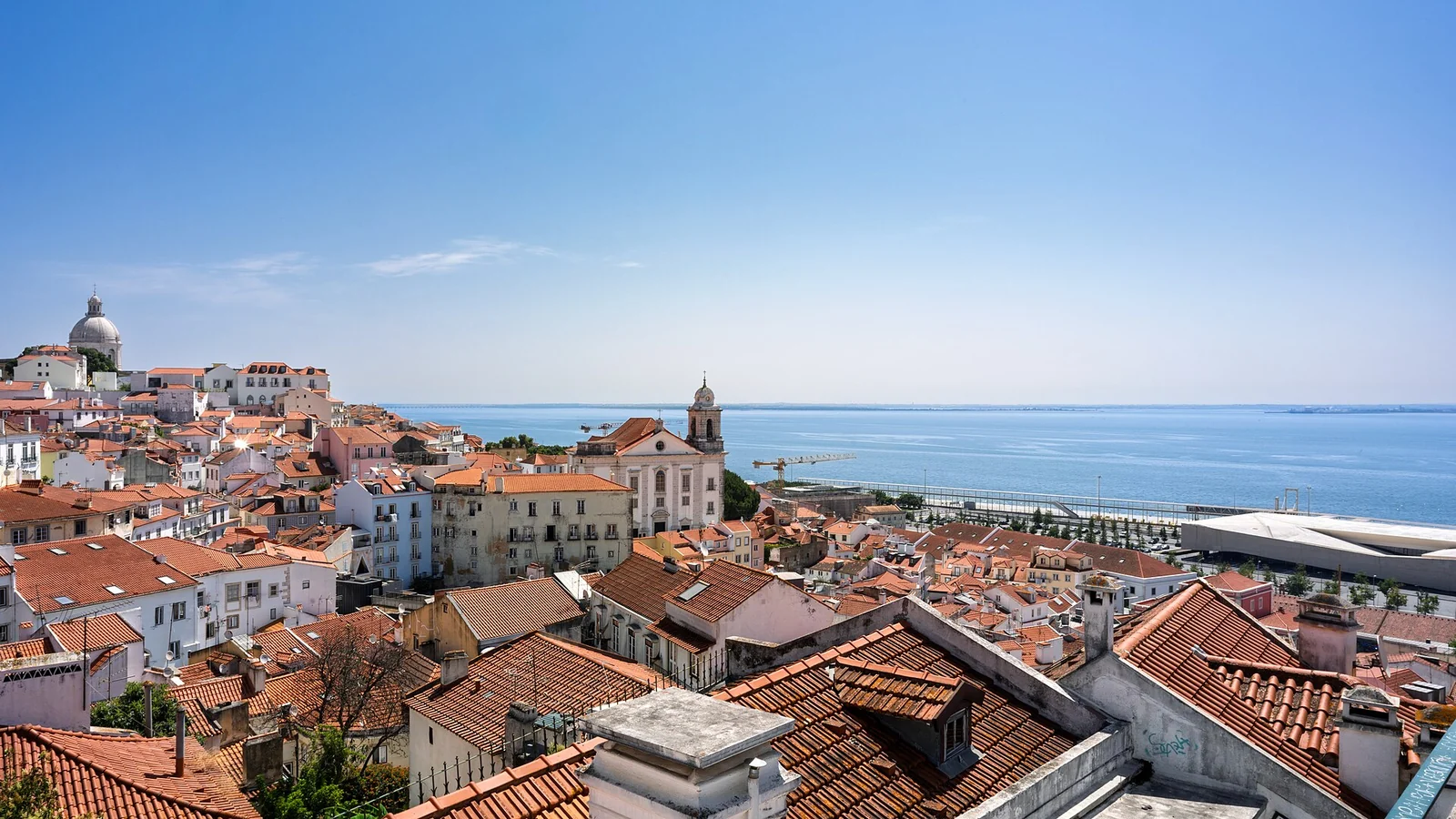
Museu do Fado’s address is Largo do Chafariz de Dentro 1. That gives the outing a clear anchor in lower Alfama. The museum is a way to understand the music’s context; it is not the same experience as attending an evening performance, so choose it for the interest it actually serves.
One person can take a fuller museum visit while the other explores the immediate streets or settles into a chosen café. Agree the meeting place and time in advance, with a fallback if one phone loses its connection. Then continue together rather than making the second person wait indefinitely at the exit.
Do not quietly turn the shared section into a hill-climbing challenge. If one traveler loves viewpoints and the other has tired legs, save an ambitious ascent for a separate outing. A lower-neighborhood walk and a meal can be a complete afternoon. Lisbon offers plenty of reasons to linger without reaching every miradouro.
Build the plan around one thing each person wants
Ask a concrete question before leaving the accommodation: “What would make today feel good?” One person may want a specific painting; the other may want a long lunch with no reservation afterward. Write those two wishes into the plan as equal commitments.
Then choose a neighborhood where the wishes can coexist. A nearby café is a better companion to a museum than a second activity forty minutes away. Likewise, a traveler who wants a quiet afternoon may prefer a park or a bookshop to a busy restaurant. The point is a compatible choice, not a compulsory coffee break.
A worked afternoon, with room to adjust
For an illustrative plan, meet for lunch at 12:30, begin the chosen museum around 14:00 and agree to regroup at 15:15. The person who finishes earlier can use a pre-selected nearby stop. At 15:15, everyone returns to a shared activity: a square, a drink or the route toward dinner.
These are suggested allowances, not the opening hours of the museums above. Move them to fit the actual visit timetable. Leave the last part flexible so the afternoon does not become a sequence of alarms.
For families or groups that should remain together, apply the same principle in smaller portions: choose three objects, take a break, then let the next person choose. Separate time is useful only when it suits the people involved.
Make the agreement easy to keep
Save the meeting point, state what happens if somebody is delayed and resist adding “one last room” without a message. A generous plan needs a little reliability. Equally, do not treat someone’s different interest as the less serious way to experience a city.
The lovely version of a shared trip is not one in which everyone becomes the same traveler. It is one in which each person gets something they hoped for, and you still have stories to tell each other over dinner.
Sources & practical updates
Researched 2 November 2026. Public prices and schedules are dated snapshots. The exact booking, itinerary and access needs determine the final details.
These guides combine independent research and original planning advice. We have not personally attended the listed experiences; illustrative routes and projects are identified in the text.