In this guide
- Begin with when the finished object becomes yours
- Perfume: protect the bottle and respect its capacity
- Tiles: protect edges before adding soft padding
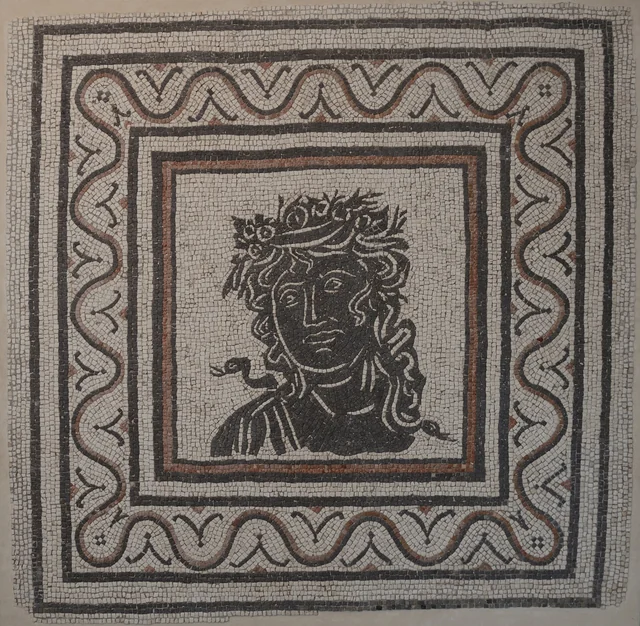
- Mosaics: account for weight and curing time
- Chocolate and other edible keepsakes
- Give the souvenir a place in your booked baggage
- A quiet ten minutes on the final evening
The nicest souvenir can also be the awkwardest thing in your luggage. A tile has corners. Chocolate dislikes heat. The perfume you spent an hour composing is suddenly a liquid at airport security. None of that needs to spoil the pleasure of making something, but it is easier to solve before the last morning.
This guide covers four common workshop keepsakes: perfume, decorated tiles, small mosaics and food. It explains how to plan collection, protect the item and give it a place in the bag you actually booked. Packing suggestions are editorial guidance, not a guarantee against breakage or an airline’s acceptance decision.
Begin with when the finished object becomes yours
Before booking a class, find out whether the item leaves with you at the end, needs later collection or can be sent. Different making methods create different schedules. A varnished decorative tile, a transferred design and a fired ceramic piece should not be given one shared “ready tomorrow” rule.
If you leave the city the following morning, ask a precise question with the date and time. Include whether you need packaging and whether collection requires another visit. If delivery is offered, establish the destination, price and responsibility for damage before treating it as the easy answer.
Give collection a real slot in the itinerary. An object that becomes ready on your final afternoon still needs a journey back to the studio. Store the address and contact details with the workshop confirmation so nobody has to reconstruct the plan from a half-remembered map pin.
Perfume: protect the bottle and respect its capacity
Ask the workshop how the bottle should be stored and whether there are any initial handling instructions. Keep the cap secure and place the bottle in a leak-containing bag before cushioning it. A box can protect the glass from knocks, but do not rely on decorative tissue alone if the bag will be compressed.
For airport screening, the container’s stated capacity matters. The EU’s general cabin guidance uses containers no larger than 100 ml within a transparent, resealable one-liter liquids bag, with specific exemptions such as medicines. A partly used larger bottle does not become a compliant smaller container simply because little liquid remains.
Check your departure and transfer airports’ current instructions, as screening arrangements can change. Keep the bottle accessible rather than burying it below every other souvenir. Perfume may also be subject to airline dangerous-goods quantity rules, particularly in checked luggage; use the carrier’s published guidance for the amount you are taking.

Tiles: protect edges before adding soft padding
A small ceramic tile needs protection from bending pressure and from impact on its edges. If the studio provides a fitted box, keep it. Otherwise, separate the surface from anything abrasive with a clean, non-stick protective layer suitable for the finish, then add cushioning and a rigid outer container.
Ask whether the surface is fully dry before wrapping it. Putting soft fabric against a fresh finish can leave marks. Avoid tightly taping directly onto the decorated face. Put the packed tile where it will remain flat and supported rather than loose beside a water bottle and keys.
If you are giving it as a present, carry the gift wrapping separately. Protective travel packaging can be practical and plain; the pretty ribbon can happen at home. That also makes inspection and repacking easier during the journey.
Mosaics: account for weight and curing time
A small mosaic may feel sturdier than a tile while still containing edges, loose fragments or adhesive that needs care. Ask the teacher when it can be handled, whether it should stay horizontal and what can safely touch its surface. The project’s materials determine the answer.
Use a rigid tray or box that keeps the piece from sliding. Add cushioning around the outer edges and leave the decorated face protected without applying pressure to raised sections. Check the packed weight before committing it to your cabin bag. A pleasingly substantial object can take a surprisingly large share of a small allowance.
Do not dismantle the project or add a coating simply to make packing easier unless the maker recommends it. A quick improvised fix on departure day can create more damage than a careful box.
Chocolate and other edible keepsakes
Keep chocolate away from direct sun and prolonged heat. A warm afternoon in a parked vehicle or a bag resting against a hot window is a poor continuation of a careful making session. Ask the workshop about the specific filling, storage needs and recommended consumption period; a filled bonbon and a plain solid bar are different products.
Carry food in secure packaging and keep its ingredient information if available, especially when it is a gift. Border rules depend on the destination and the ingredients, including dairy, meat, plants or fresh produce. Check the destination’s official customs or biosecurity guidance for the actual item. “It is a souvenir” does not decide whether it may enter.
Sometimes the kindest plan is to enjoy a delicate pastry in the city where you made it and bring home the recipe instead. A memory does not become less valuable because it was eaten while it was fresh.
Give the souvenir a place in your booked baggage
Check your fare, not only the airline’s general cabin-bag picture. As one current example, airBaltic’s Economy MINI includes a personal item up to 40 × 30 × 15 cm within an 8 kg allowance; its BASIC, CLASSIC and FLEX fares include a cabin bag as well, subject to their combined allowance. The exact ticket changes the available space.
Before the trip, leave a deliberate gap rather than hoping the return bag will expand. A foldable tote can help organize things, but it does not automatically become an extra permitted cabin item. Measure or weigh the packed result when the object is substantial.
A quiet ten minutes on the final evening
Put all the keepsakes together, check their condition and photograph anything fragile before packing it. Separate liquids for screening, keep collection receipts where you can find them and move heavy objects away from delicate surfaces. Then close the bag and make sure it still fits the rules you are traveling under.
With those small jobs done, the souvenir can become what you wanted in the first place: something that brings the afternoon back, rather than something you worry about all the way home.
Sources & practical updates
Researched 2 November 2026. Public prices and schedules are dated snapshots. The exact booking, itinerary and access needs determine the final details.
These guides combine independent research and original planning advice. We have not personally attended the listed experiences; illustrative routes and projects are identified in the text.