In this guide
- A short introduction or a serious course?
- What makes a good first design?
- Why Via di Panico makes sense for this outing
- Look at a mosaic before you make one
- The question to ask before booking your final day
- Going alone, with a partner or with children
- What belongs in the price comparison?
- Make the rest of the afternoon smaller
- Sources
Rome's mosaics often ask you to look up, lean closer or imagine the room they once belonged to. A making workshop turns the question around: how do small pieces become a picture in the first place? For a few hours, the city's patterns can become something you arrange with your own hands.
This guide explains a specific short-format option at Fabio Bordi's studio on Via di Panico, how it differs from a longer craft course and how to build a coherent historic-centre afternoon around it. It is for a curious beginner who likes the idea of learning through a small object, with enough surrounding detail to make the afternoon easy to picture.
A short introduction or a serious course?
The studio's own page describes two different commitments. The short workshop lasts about two hours and uses pre-cut marble pieces for a small mosaic. The longer course is arranged in twelve-hour cycles, with more time for traditional tools and technique. They should not be presented as interchangeable products.
For a city break, the short introduction is the obvious starting point to investigate. Prepared pieces let the session concentrate on arranging a design. If your interest is specifically in cutting tesserae with a hammer and hardie, tell the operator that; the brief introduction does not establish that you will learn every stage of the craft.
It helps to decide which pleasure you are after. Do you want a personal keepsake, a quiet creative afternoon or the beginning of a new skill? The same studio may serve those wishes through different formats, and choosing the appropriate one makes the rest of the planning clearer.
What makes a good first design?
I would begin with a pattern that gives the material some room. A border, a repeated shape or a few bands of colour can be a satisfying project without needing a complicated picture. Let the instructor's actual materials and guidance set the scale.
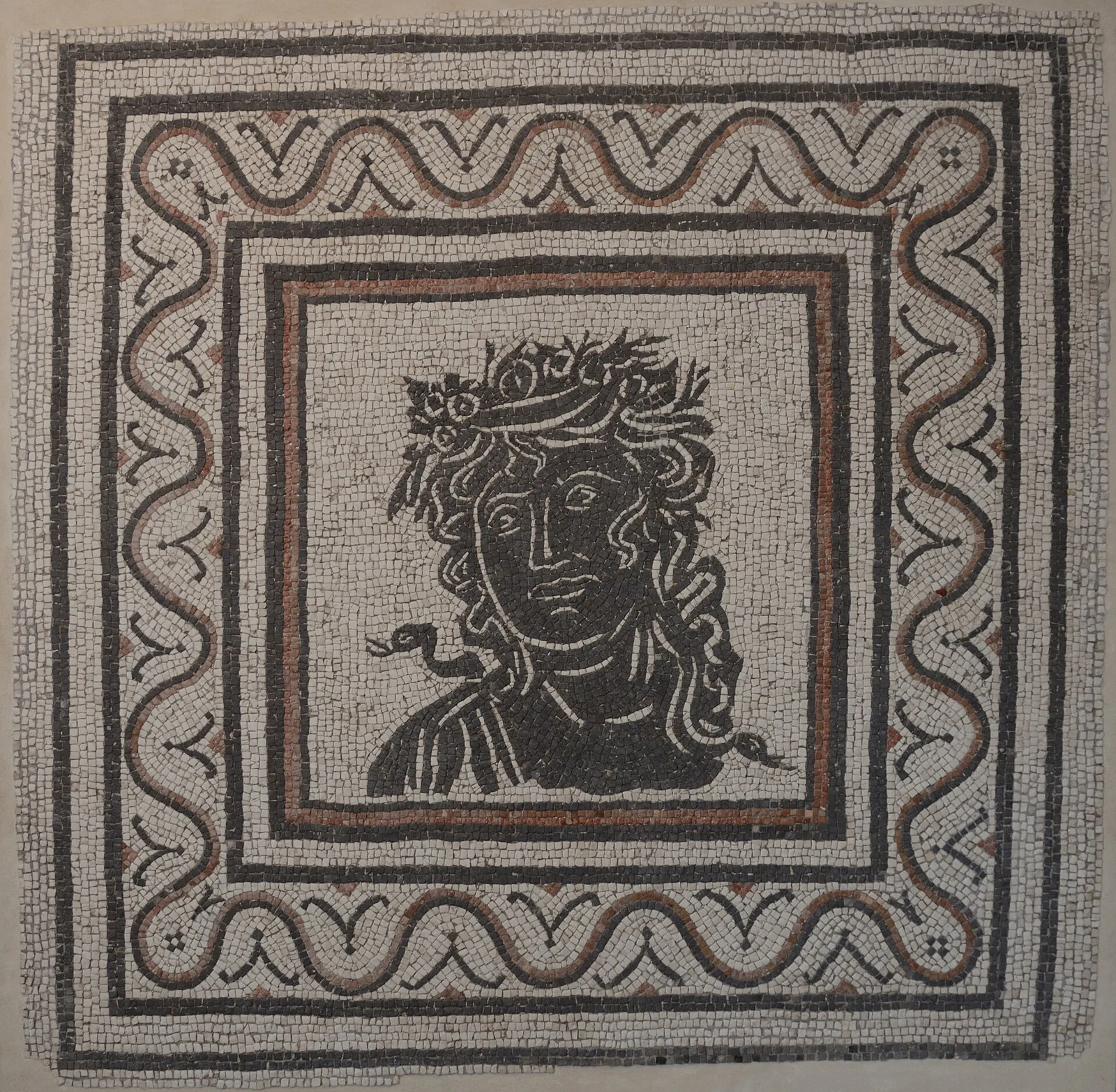
The interesting task is the relationship between pieces: a slight change in angle, the way two colours sit beside each other and how much space a line seems to need. You can approach that as a beginner without pretending the finished object will resemble an ancient Roman floor.
If there is a design you love, bring it as a conversation starter rather than an expectation. A photograph does not tell you whether it can be adapted to the session's size, time and materials. The more modest plan may leave more time to enjoy the work.
Why Via di Panico makes sense for this outing
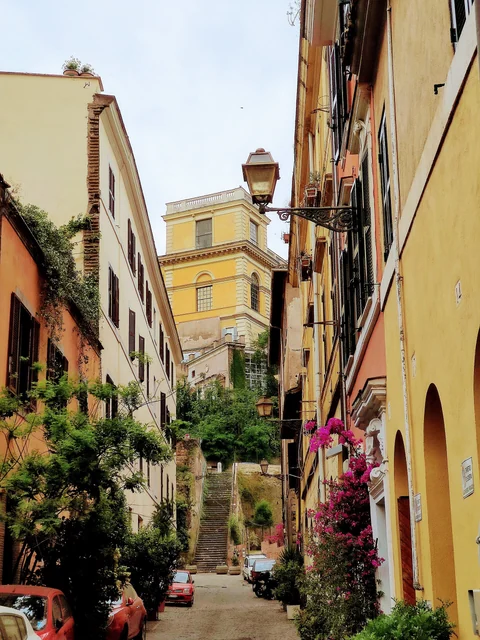
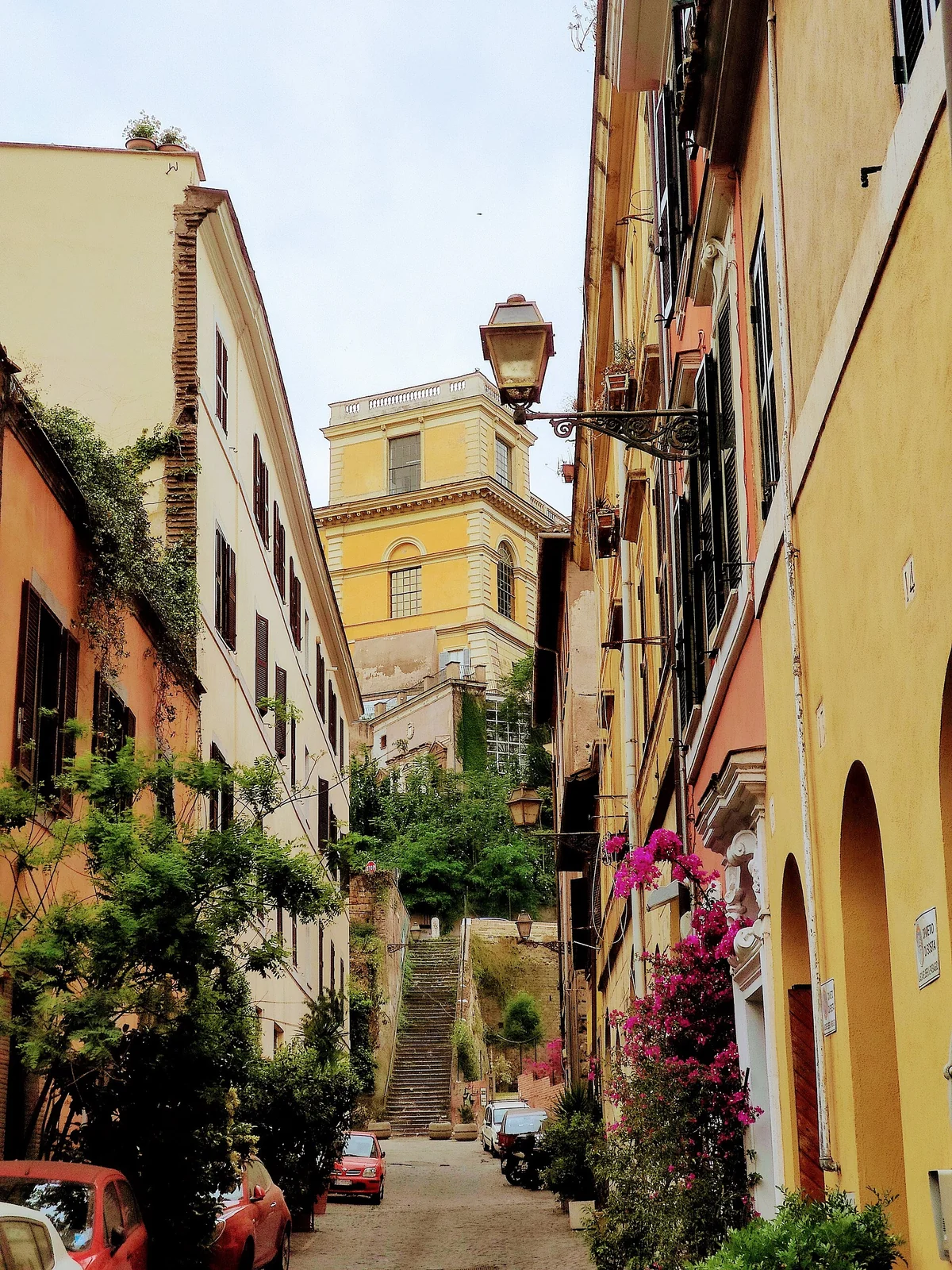
The studio's address is Via di Panico 75, in the historic centre on the approach to the river near Castel Sant'Angelo. That gives the workshop a useful neighbourhood context. You can spend time around Piazza Navona or the streets leading towards Ponte Sant'Angelo without making another cross-city journey part of the activity.
Use the actual confirmed start time to decide which part comes first. A late-morning session might leave the afternoon for a square and a meal; an afternoon booking might follow an independent morning nearby. These are suggested shapes, not measured routes or confirmed available sessions.
Keep one nearby interest rather than a chain of famous sights. A small class can become the main occasion of the day, particularly if you are making something you want to keep.
Look at a mosaic before you make one
If the subject interests you, a museum or church visit on another part of the trip can give the workshop more context. Palazzo Massimo has a dedicated display of Roman paintings and mosaics, with works presented in settings that help explain their original rooms. The effect of a floor pattern is easier to think about when it is shown as part of a living space rather than an isolated decoration.
On the Trastevere side, Santa Maria in Trastevere offers a very different encounter with mosaic: images set high in a basilica rather than a tabletop object. If you are visiting, look for the broad shapes and the way the background holds the figures together, while respecting the building's religious use.
You do not have to visit either place before taking a class. They are cultural companions for an interest, not prerequisites or promises about what the instructor will teach.
The question to ask before booking your final day
Find out when the mosaic is ready to collect. A workshop description saying the piece belongs to you does not establish that the finish is ready for immediate packing. The public operator information we reviewed does not settle an exact-date collection arrangement.
Ask what the finished object weighs, how it will be protected and whether any return visit or shipping costs extra. A small marble project can need more room in your luggage than its dimensions suggest. Put the answer beside the workshop date while the itinerary is still flexible.
If collection needs another day, choose an earlier session or an alternative activity. That is a practical adjustment, not a reason to abandon the idea of a handmade memory. Our souvenir travel guide keeps packing and collection questions together.
Going alone, with a partner or with children
The operator advertises individual and group arrangements and mentions children as well as adults. That does not establish a specific minimum age or a suitable task for every child. Ask about the actual format, tools, accompaniment and the number of paid places your party needs.
For adults, compare your interest in the process. A partner who likes browsing art may not want to make it. If you are attending alone, the practical aim can simply be a clear, manageable activity; you do not need the class to provide an instant group of friends.
Session language, seating and any access needs should be settled with the operator. The public page lists several languages, but that is different from confirming the language and arrangements of the particular session you select.
What belongs in the price comparison?
The current public workshop page describes tools and materials but does not give us a selected-session total. Compare the actual quoted charge for your party and format, together with finishing, packing or delivery where applicable. Do not borrow a price from another supplier's mosaic class.
Consider what you are buying besides the object: guidance, materials, a worktable and time devoted to a process. If you only want a finished mosaic souvenir, shopping and a class answer different wishes. It is fine to choose the object without the lesson, or the lesson because the making is the attractive part.
Make the rest of the afternoon smaller
After the session, a walk towards the river or a pause around Piazza Navona may be enough. Do not send yourself to a second timed visit merely because the workshop took less than a full day. Let the change in attention carry into the streets: borders, paving patterns and little pieces of colour are good things to notice.
For a different kind of making, compare the pasta-class guide. Both can give a Roman afternoon a clear purpose. The distinction is whether you would rather spend that attention on a pattern or on dinner.
Sources
Official visitor and operator information checked 2 November 2026. Routes and looking activities are our planning suggestions; check dated admission and session details before booking.
Sources & practical updates
Researched 2 November 2026. Public prices and schedules are dated snapshots. The exact booking, itinerary and access needs determine the final details.
These guides combine independent research and original planning advice. We have not personally attended the listed experiences; illustrative routes and projects are identified in the text.