In this guide
Rome is very good at filling a day with things to look at. A broken column appears at the end of a street, a church door opens onto a painted ceiling, and lunch somehow becomes another place you want to stay. What can be missing is the chance to do something yourself.
This guide offers three quite different afternoons: a pasta class near the Opera House, a small mosaic workshop in the historic centre, and an independent wander through Trastevere. It is for a visitor who already has the major sights in the itinerary and wants one more personal way into the city. You can compare the commitment, neighbourhood and likely appeal here, then use our detailed guides for the practical arrangements.
Choose by the afternoon you want: food and a shared table → iQook; a patient creative project → a mosaic introduction; maximum flexibility → Trastevere on foot. Treat these as three alternatives, rather than three consecutive stops.
1. Make pasta, then give the meal some time
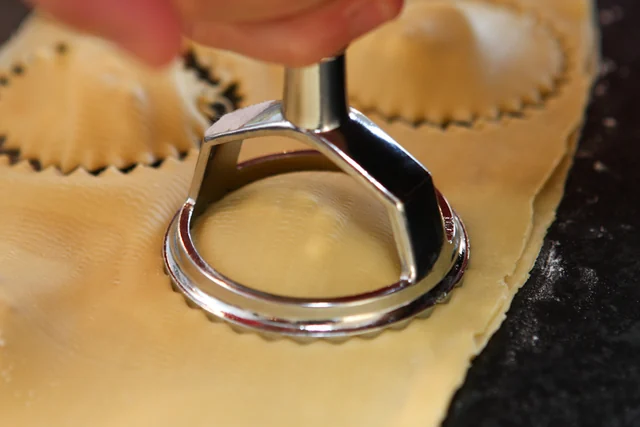
There is a good reason a cooking class appeals on a short Italian trip. It gives food a place in the day beyond choosing what to order, and the lesson may leave you with a process you want to revisit at home. You do not need to be an ambitious cook to like the idea of making dinner with your hands.
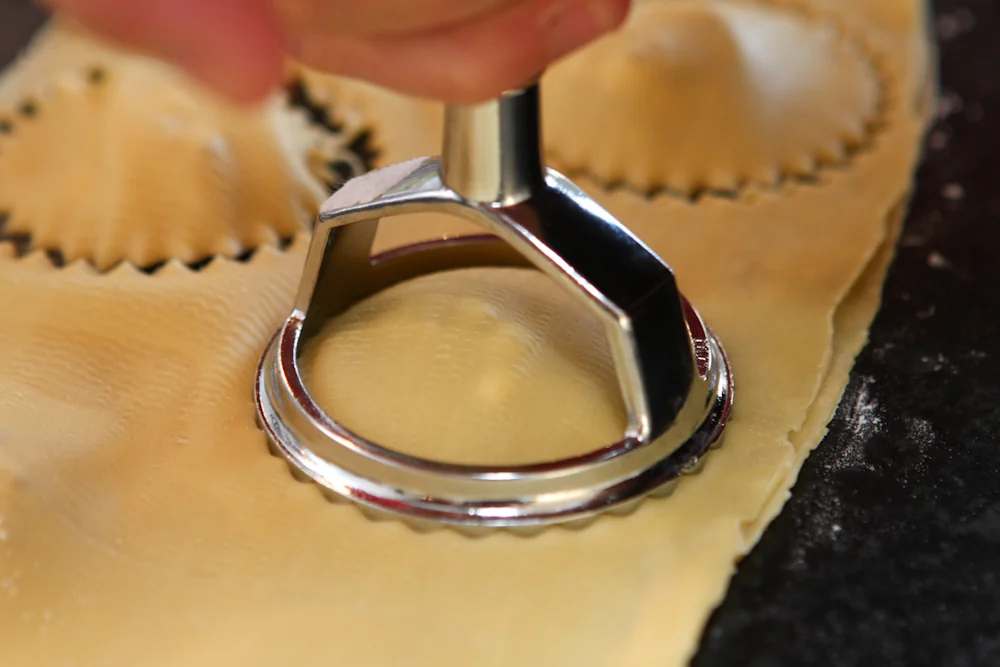
The option explored here is iQook Experience at iQ Hotel Roma, near the Opera House. Its named marketplace listing describes a small English-language class centred on making pasta and tiramisu. The operator presents the experience as cooking followed by eating what has been prepared.
That makes this the most structured of the three choices. You have a starting time, a process to follow and a meal at the centre of the outing. It could suit a solo traveller who wants an activity with a natural shared focus, or a couple who enjoy food but would like something different from another restaurant reservation.
I would keep the earlier part of the afternoon local rather than come directly from a long excursion. Palazzo Massimo, close to Termini, is one cultural possibility to research separately, but a class does not need another attraction attached to make it worthwhile. A quiet hour at your accommodation may be the better preparation.
Our practical pick: choose this for the cooking, and let the meal be the evening's main event. The complete iQook guide explains the correct listing, the meeting-point detail and the questions around participation and food needs.
2. Make a little pattern out of marble
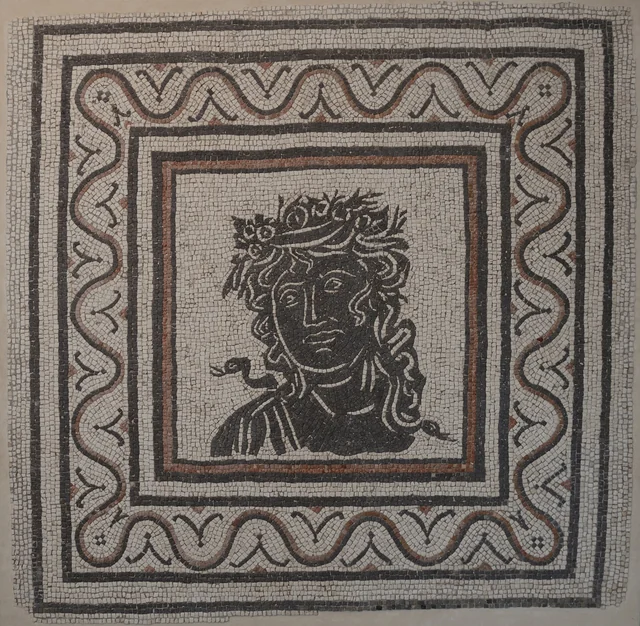
A mosaic session gives the afternoon a different rhythm. Instead of following the movement of a tour group, your attention is on small pieces and the spaces between them. The appeal is partly the object, but also the change in scale: Rome is full of enormous things; this is something you can work on at a table.
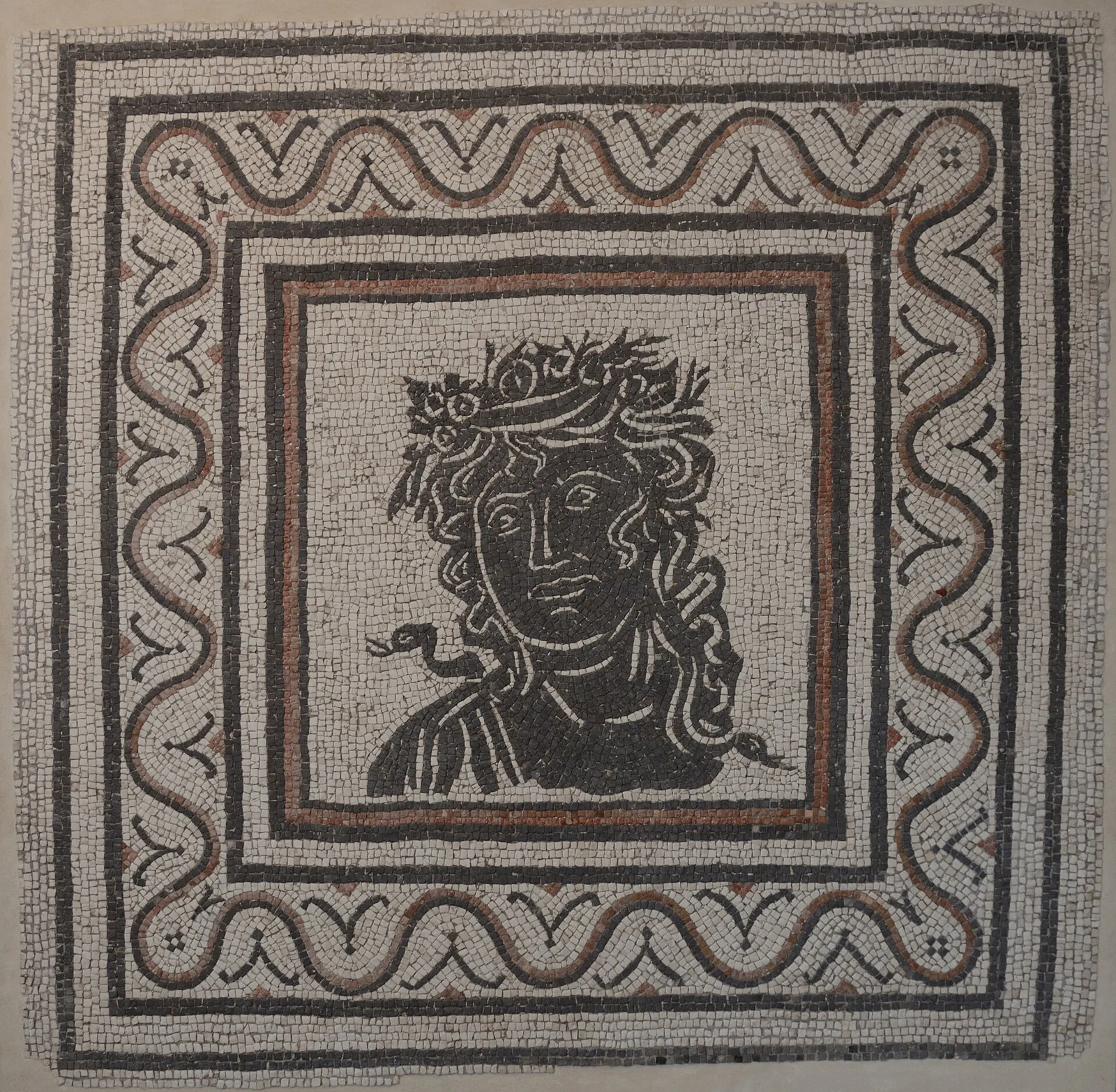
Fabio Bordi's studio on Via di Panico offers a short introduction as well as longer courses. The short format uses prepared pieces, so the relevant question for a first visit is whether you want to arrange a design, rather than learn the full craft in a single session. A traditional tool-based course is a different commitment.
The location makes a historic-centre afternoon possible. Depending on the confirmed session, you could explore around Piazza Navona before the workshop or go towards the river afterwards. Use one nearby stop as a companion to the class, not a route that sends you back and forth across the centre.
A simple geometric pattern may be the nicest first project. It gives you a way to play with colour and repetition without expecting yourself to produce a miniature masterpiece. If you have an idea in mind, keep it flexible enough to fit the actual materials and guidance.
The detail to settle first: when the work is ready to collect. Ownership of a finished piece and same-day collection are separate matters. Our Rome mosaic guide covers the making format, a suggested nearby wander and the packing questions.
3. Give Trastevere an afternoon without a timetable
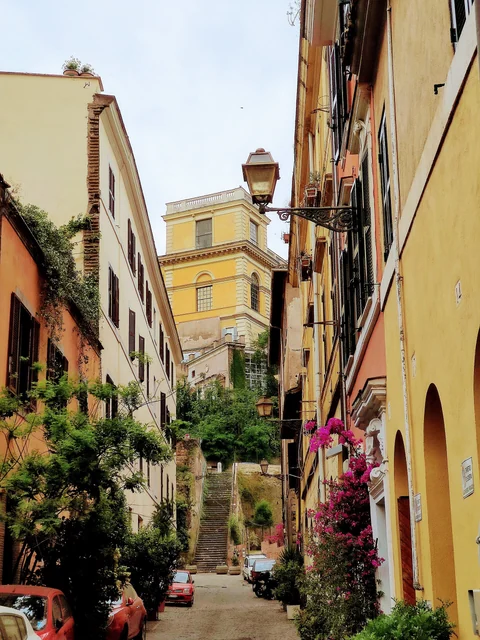
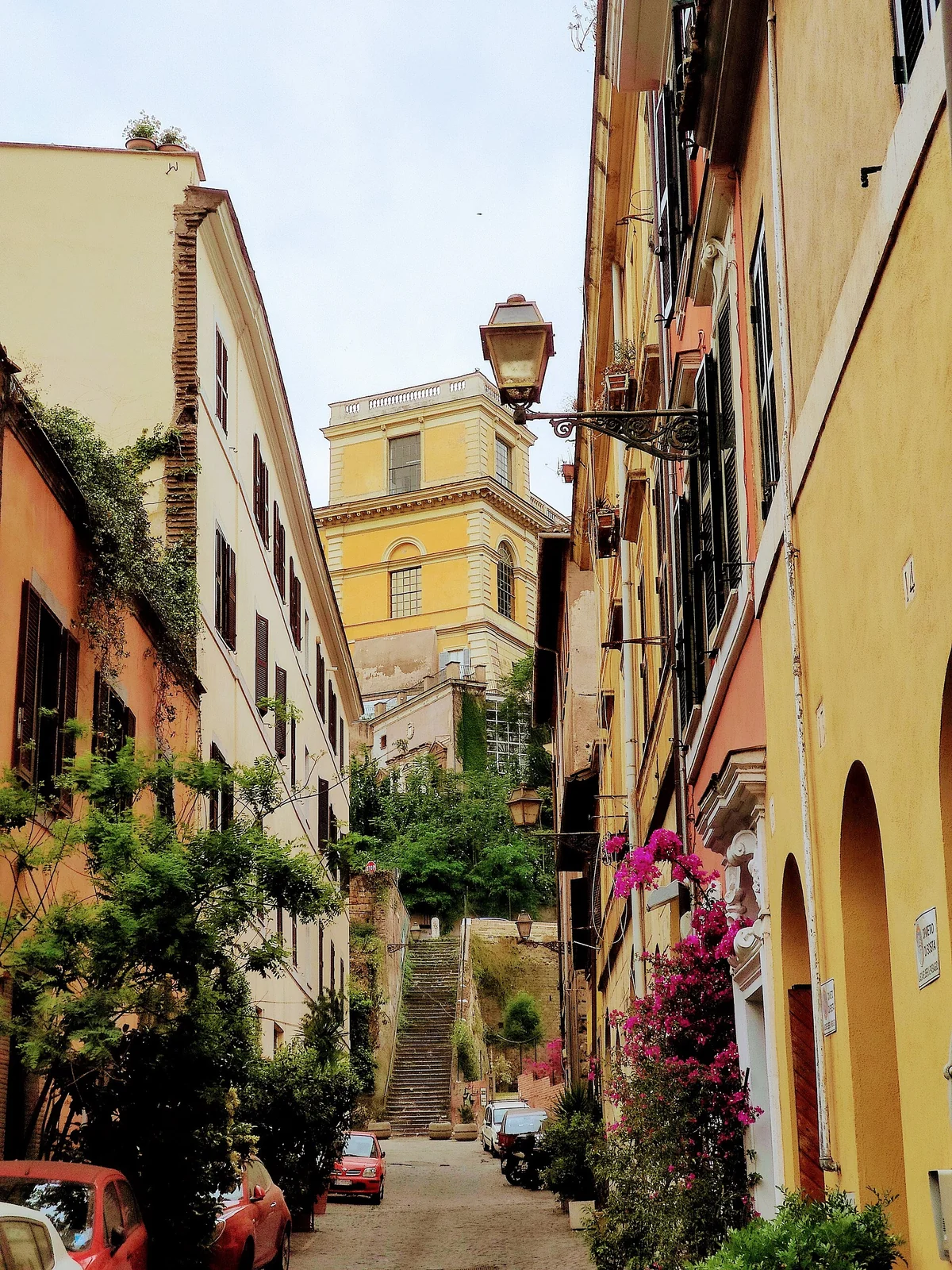
Trastevere is the choice here for someone who wants freedom. Its squares and small streets can give the outing a shape without committing you to a class, and you can decide whether the day calls for art, food or simply walking around.
Start with Piazza Santa Maria in Trastevere. If the basilica is open for visitors, the mosaics provide a particular thing to look for; you do not need a long art-history lesson to enjoy noticing how the gold catches the light. From there, choose a few streets rather than attempt the whole neighbourhood.
For a food stop with a clear location, Trapizzino's Trastevere branch is on Piazza Trilussa 46. Its own site describes trapizzini, supplì and a Lazio-focused wine selection. It is a convenient named option when planning the walk; check the current menu and seating arrangements.
Villa Farnesina is another reason to come to this side of Rome, especially if Renaissance painting interests you. Its ordinary official schedule currently ends at 2pm, so it belongs in a morning or early-start version of the plan. Do not save it as a casual evening add-on.
Our Trastevere route separates the early-start art option from an afternoon square-to-square wander, with a southern extension for Santa Cecilia.
Which one should you choose?
| If you want… | Start with… | Give attention to… |
|---|---|---|
| A shared activity and food | The pasta class | The actual menu, participants and full session |
| A quieter creative process | The mosaic introduction | Technique, collection and getting the piece home |
| Freedom to change direction | Trastevere independently | The route, cultural opening windows and a food stop |
The most useful difference is what you will be doing. Do you want to make, to eat with a group or to keep moving through the city? Price comes after that first distinction, because the cheapest option is poor value if its main activity does not appeal.
Then look at the rest of the trip. A seated project can be a welcome contrast to sightseeing, but it still takes concentration. A walk gives you flexibility, but the streets do not become level merely because the outing is unbooked. Fit the choice to the energy you actually have.
How to fit the afternoon into a Rome trip
Keep the confirmed experience and the neighbourhood plan together. The pasta class near the Opera House and a Trastevere dinner are not next-door activities. You may enjoy combining them, but travel belongs in the plan rather than being treated as an invisible gap.
For a short stay, choose one of these afternoons after a major sight, with enough time to rest between them. For a longer trip, spread the interests across different days. You can spend one evening making pasta and another walking until a square persuades you to stop.
None of these ideas depends on claiming a secret Rome that only insiders can find. They are simply different ways to pay attention to the city. Choose the one you feel yourself looking forward to, and give it enough room to become an afternoon rather than another task.
Sources
Official visitor and operator information checked 2 November 2026. Routes and looking activities are our planning suggestions; check dated admission and session details before booking.
Sources & practical updates
Researched 2 November 2026. Public prices and schedules are dated snapshots. The exact booking, itinerary and access needs determine the final details.
These guides combine independent research and original planning advice. We have not personally attended the listed experiences; illustrative routes and projects are identified in the text.