In this guide
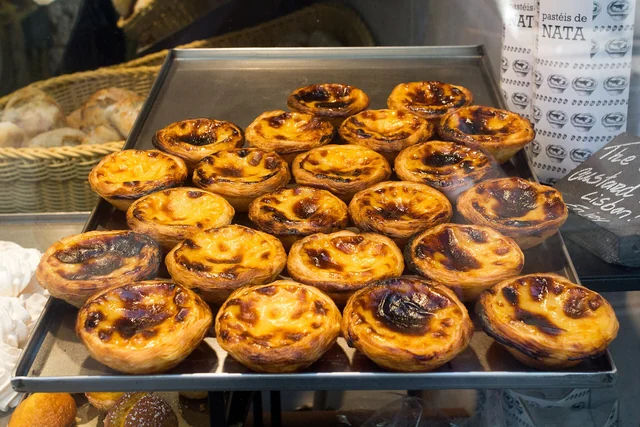
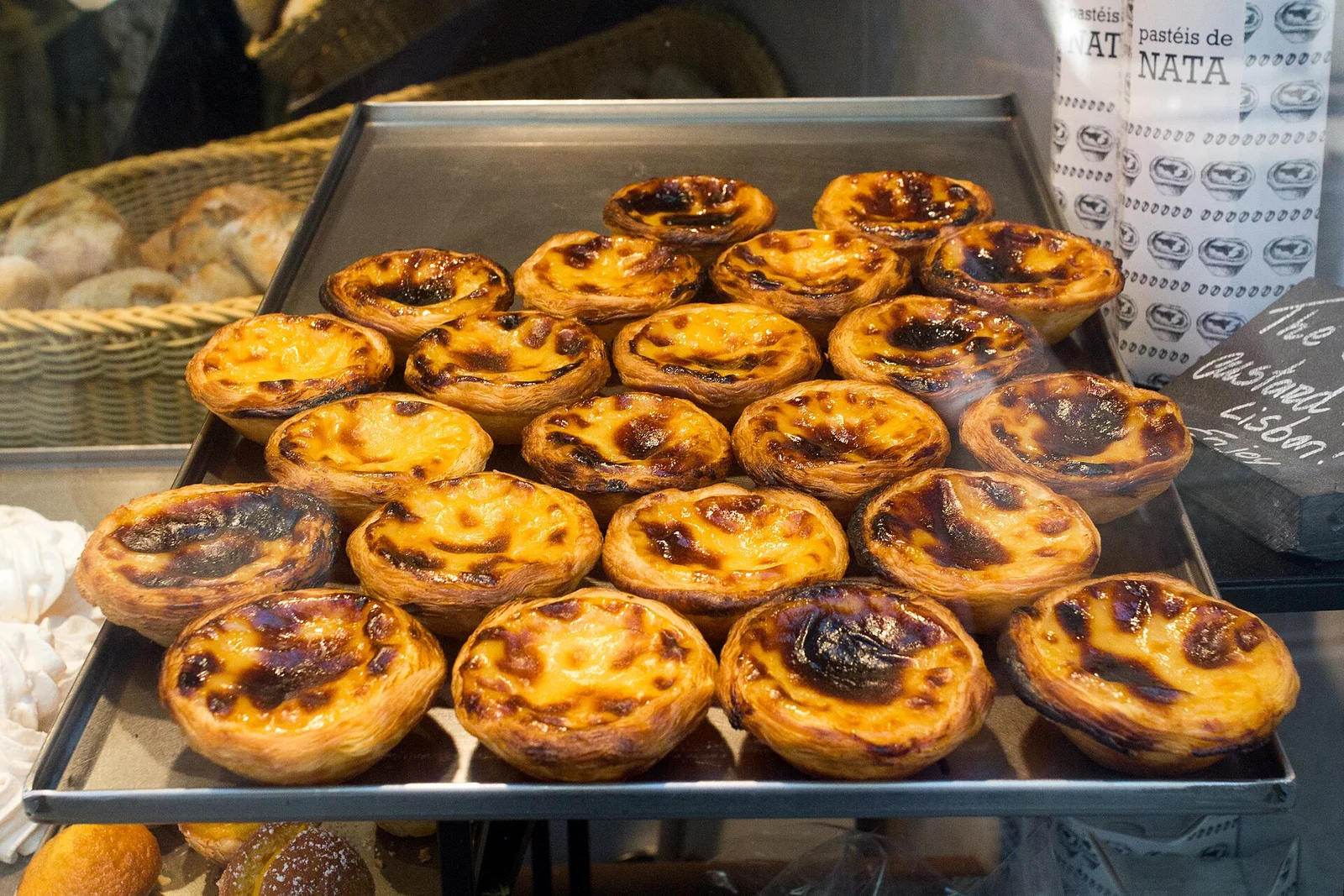
A pastel de nata is small enough to disappear between two sightseeing stops. A class asks you to slow the process down: look at the pastry, understand how the shell is formed and follow the custard from ingredients to filling. If you enjoy cooking, that can be a more interesting souvenir than another box to carry home.
This is a practical guide to Nat’elier’s Lisbon pastel de nata masterclass. It explains the advertised lesson, the difference between a class and a bakery stop, and how to place the session into a central Lisbon day. The format and requirements come from the operator’s current information, with our own suggestions for an unhurried day around the lesson.
What Nat’elier’s class actually involves
Nat’elier describes a two-hour hands-on masterclass covering puff pastry, custard and shaping. The published inclusions are ingredients and equipment, three tarts made by the participant, a PDF recipe, a drink and a participation certificate. Its central Lisbon address is Rua da Santa Justa 87.
That gives the activity a clear purpose: learning the sequence behind a particular pastry. It is not a broad Portuguese cooking course and it does not need to be. For a beginner, having one familiar finished thing in mind can make the lesson easier to choose than a menu of techniques with no obvious ending.
I would be most interested in the stages that are difficult to infer from eating a tart: the handling and shaping of the pastry, how the shell and filling work together, and what equipment is needed at home. If you are an enthusiastic baker, those are useful questions to take to the session. If you mainly want a pleasant introduction, the same process gives you a way to participate without needing to arrive with serious pastry experience.
A class is different from watching a bakery
The phrase “from scratch” is worth reading with the actual group format. A class may demonstrate some stages and divide other work among participants. Before buying, decide whether you want to perform each stage yourself, share the tasks or simply understand the overall method. Ask the operator if the distinction will decide the booking for you.
There is also a difference between the lesson and its finished result. The attractive photograph on a class page shows what is possible; it does not mean every first attempt should look identical. A slightly uneven tart can still give you a useful understanding of what you were doing.
For a shared afternoon, choose the class when the making itself appeals to everyone. Someone who loves eating pastries may prefer a bakery and an independent wander. The gift is not improved by turning another person’s lunch into a lesson they did not want.
Who is the class likely to suit?
A cooking-curious traveler, two friends who enjoy a shared project or a family with children who want to participate could all find the format interesting. Nat’elier’s public information places regular child participation from age eight, with adult-ticket rules from thirteen; younger children are discussed under private arrangements. Regular teaching is offered in English and Portuguese.
That is a better starting point than a vague family-friendly label. Match the selected booking to the people attending, including who buys a participant place and the session’s language. A shared table is enjoyable when everyone can follow what is happening.
The class is less convincing as a choice for someone trying to fit a quick snack between timed attractions. It deserves a proper block in the day. If you have little time, or prefer not to commit to the making, buy the pastry you want and leave the experience class for another visit.
Food requirements need their own decision
The operator’s lesson uses the traditional dairy-and-egg recipe and wheat flour; it is not a gluten-free class. Nat’elier also notes potential traces from other products prepared in its kitchen. Those facts matter before booking, rather than after everyone has arrived at the worktable.
Use the operator’s answer about your particular requirements, and keep any substitution or alternative separate from the actual class recipe. For example, being offered a different pastry to taste would not necessarily change the ingredients used in the lesson. Do not make an allergy-safety assumption from a general statement about a menu option.
You do not need to share detailed health information with a travel blog to make that decision. Go directly to the business with the essential question and choose another outing if the answer does not meet your needs.
A suggested Baixa day around the class
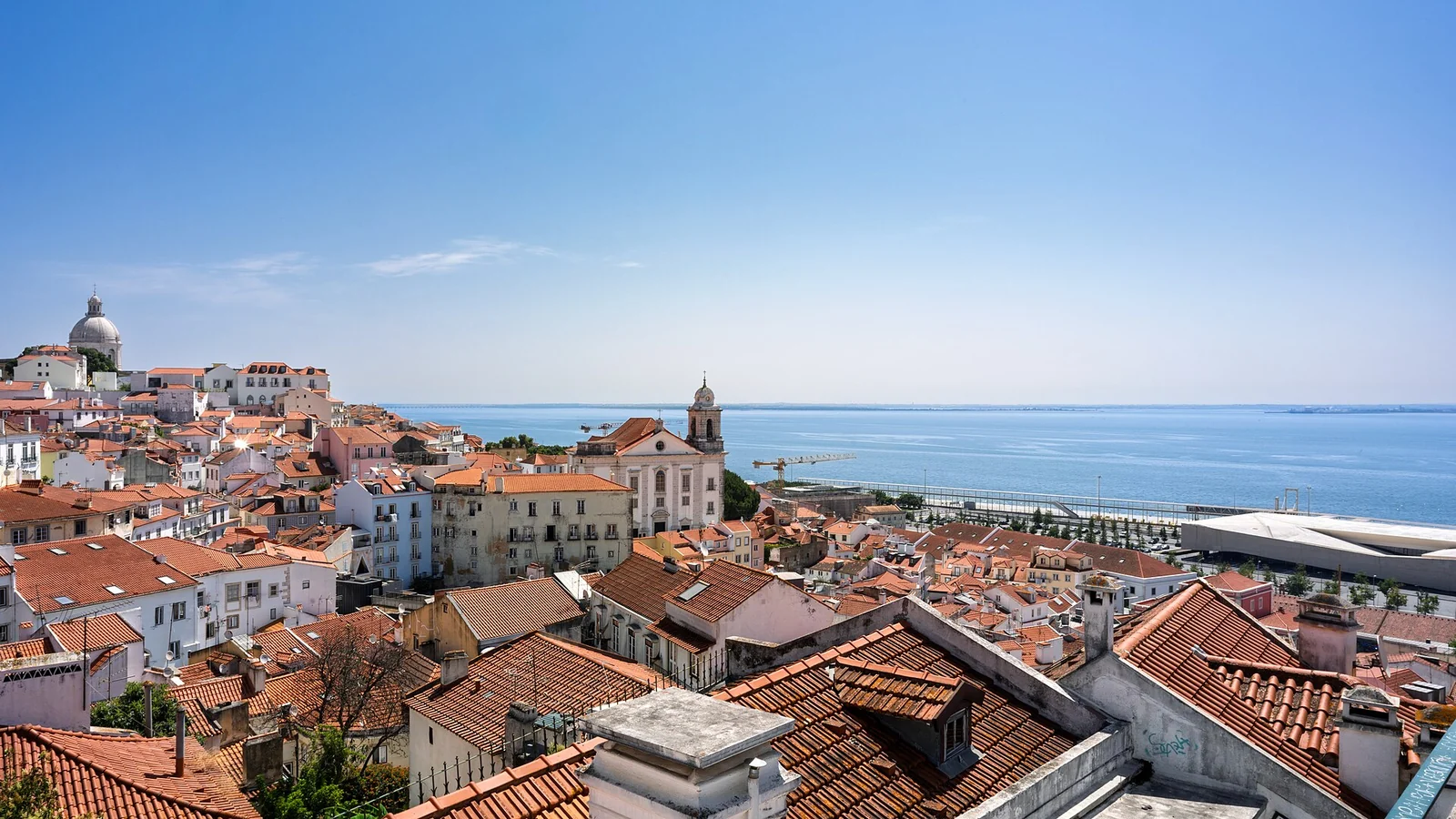
Before the session: use a compact central route rather than a distant attraction. Praça do Comércio and Rua Augusta give you a useful area to explore, with the class’s confirmed address as the fixed point. If you would like a museum, MUDE is a nearby design-focused option to research for the earlier part of the day.
For the class: follow the actual arrival instructions, not a generic sightseeing timetable. Keep the address with your confirmation, and allow for a normal unfamiliar-city journey. A two-hour session takes more than two hours out of the day once you include reaching it.
Afterwards: leave the next step simple. You might want a short wander or the journey back to your accommodation. Do not schedule a large meal purely because it falls at a conventional time: first check what the selected session includes and decide how it fits your appetite.
This is an editorial combination, not a timed route we have tested. Its advantage is the smaller radius. You are not trying to cross Lisbon between every part of the afternoon.
Think about what you would like to repeat at home
If you hope the class will become a future kitchen evening, pay attention to the equipment and ingredients the method actually needs. A recipe is most useful when you understand which parts rely on a professional kitchen and which can reasonably be adapted with the instructor’s guidance.
Bring one or two questions rather than a long technical checklist. You might want to know which stage to practice first, how to recognize a useful pastry thickness or where beginners tend to rush. The point is to connect the demonstration to what you would be doing in your own kitchen, without promising yourself a professional result after one session.
The PDF recipe gives the lesson a potential life beyond the holiday. Whether you bake again is your choice. It is also fine for the class to remain one enjoyable afternoon in Lisbon.
What to check before paying
Use the actual booking page for the chosen date, language and party size. A current public price or a class description does not confirm a place. Read the terms attached to the route you use: the operator’s direct arrangements and a third-party marketplace’s cancellation rules should not be mixed.
We have not completed a selected-date checkout, so this guide does not quote a guaranteed final price. Compare the total for everyone attending, not only one adult rate. If you need a private arrangement, its scope and price may differ from the regular class.
For another creative Lisbon afternoon, the tile-workshop guide compares drawing and painting formats. Choose the subject you would enjoy concentrating on. One gives you color and pattern; the other gives you a reason to look at the next custard tart a little more closely.
Sources & practical updates
Sources and scope
Checked 2 November 2026. Operator facts are attributed to Nat’elier; the suggested day plan and fit judgments are original editorial advice.
These guides combine independent research and original planning advice. We have not personally attended the listed experiences; illustrative routes and projects are identified in the text.