In this guide
There are several quite different ways to spend a free afternoon in Lisbon. You could sit at a studio table and turn a pattern into a keepsake. You could work with pastry and leave with a recipe for a future kitchen experiment. Or you could follow the streets through Alfama, stopping whenever a tiled wall, a doorway or a view makes you want to linger.
This guide helps you choose between three specific outings: a Formettes design workshop, a Nat’elier pastry class and a self-guided Alfama walk. It explains what each afternoon involves, who it is likely to suit and how to arrange the surrounding stops. The suggested routes bring together the activities, nearby places and the practical shape of the day.
| Choose this | For this sort of curiosity | Main practical consideration |
|---|---|---|
| Formettes workshop | Color, geometry and a designed object | Understand the paper-to-tile process and confirm collection |
| Nat’elier class | Baking, technique and a shared food activity | Book a suitable session and resolve food requirements |
| Alfama walk | Streets, views and freedom to change direction | Allow for hills, surfaces and the journey back |
1. Draw a Lisbon keepsake at Formettes
Formettes is a good option to investigate when the pattern is the part that attracts you. Its workshop uses geometric drawing on paper, with the finished design scanned and transferred to a ceramic tile. It is a different experience from painting ceramic glaze and waiting for a kiln: you spend the creative session composing an image.
That distinction can be the deciding detail. If you like repeating shapes, trying a restrained palette or building a design from a small starting point, the drawing format has a clear appeal. The worktable gives the afternoon a focus without requiring you to travel between several attractions.
The studio’s published address is Praça das Novas Nações 44, in the Anjos area. Keep that separate from the central sightseeing district when planning the day. You could use the morning for the sights around Baixa and then travel to the confirmed studio address, rather than imagine the workshop is just around the corner from every major landmark.
For the full format, current public price and the unresolved processing/collection question, read our Lisbon tile-workshop comparison. I would place the session earlier in a trip until the operator confirms when and how the finished piece will reach you. The rest of the afternoon can be a meal near your accommodation; there is no need to add a second workshop simply because you have begun a creative day.
2. Give lunch a baking project at Nat’elier
Nat’elier’s masterclass offers a different sort of making: working through the stages of a pastel de nata, the Portuguese custard tart with its pastry shell and creamy center. The operator describes making pastry, preparing the filling and shaping the tarts, rather than only watching a finished tray emerge.
This is the direction I would choose for a traveler who enjoys recipes and the process behind food. It is less useful for someone who simply wants to taste a very good pastry between sights. Eating and making are both pleasures, but they are different reasons to spend money.
Nat’elier lists Rua da Santa Justa 87, which puts this option in the central Baixa area. A simple suggested day is to explore around Praça do Comércio and Rua Augusta, leave enough time for the confirmed class, then decide afterwards whether you want another short wander. MUDE, Lisbon’s design museum, is also in Baixa, but treat it as an optional cultural visit on another part of the day rather than a second obligation.
Our pastry-class guide explains the teaching format, participation and food considerations in detail. The most useful question is whether you want a structured, sociable session at a worktable. You can be enthusiastic about Portuguese food and still decide that buying a tart and choosing your own lunch suits the afternoon better.

3. Make a slow loop through Alfama
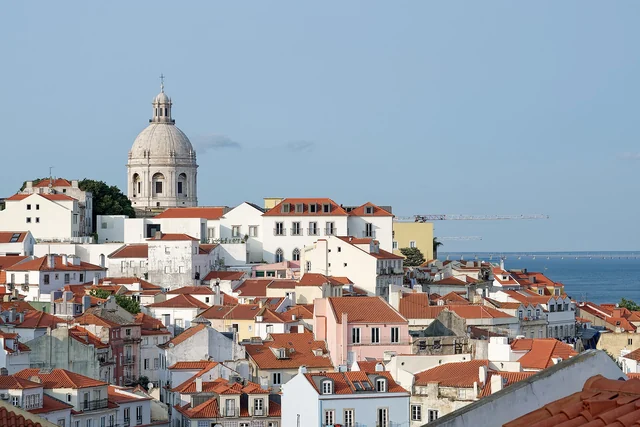
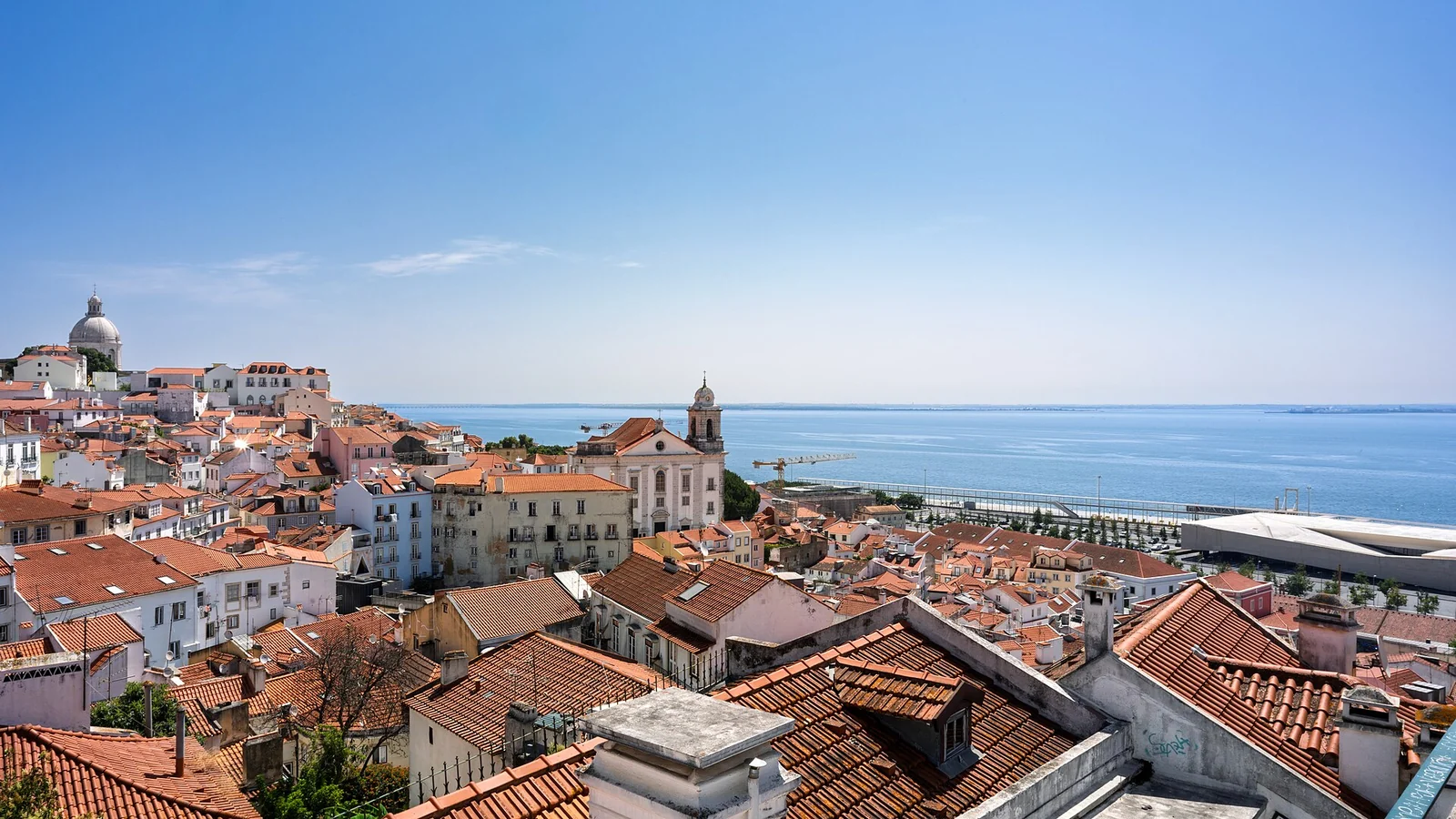
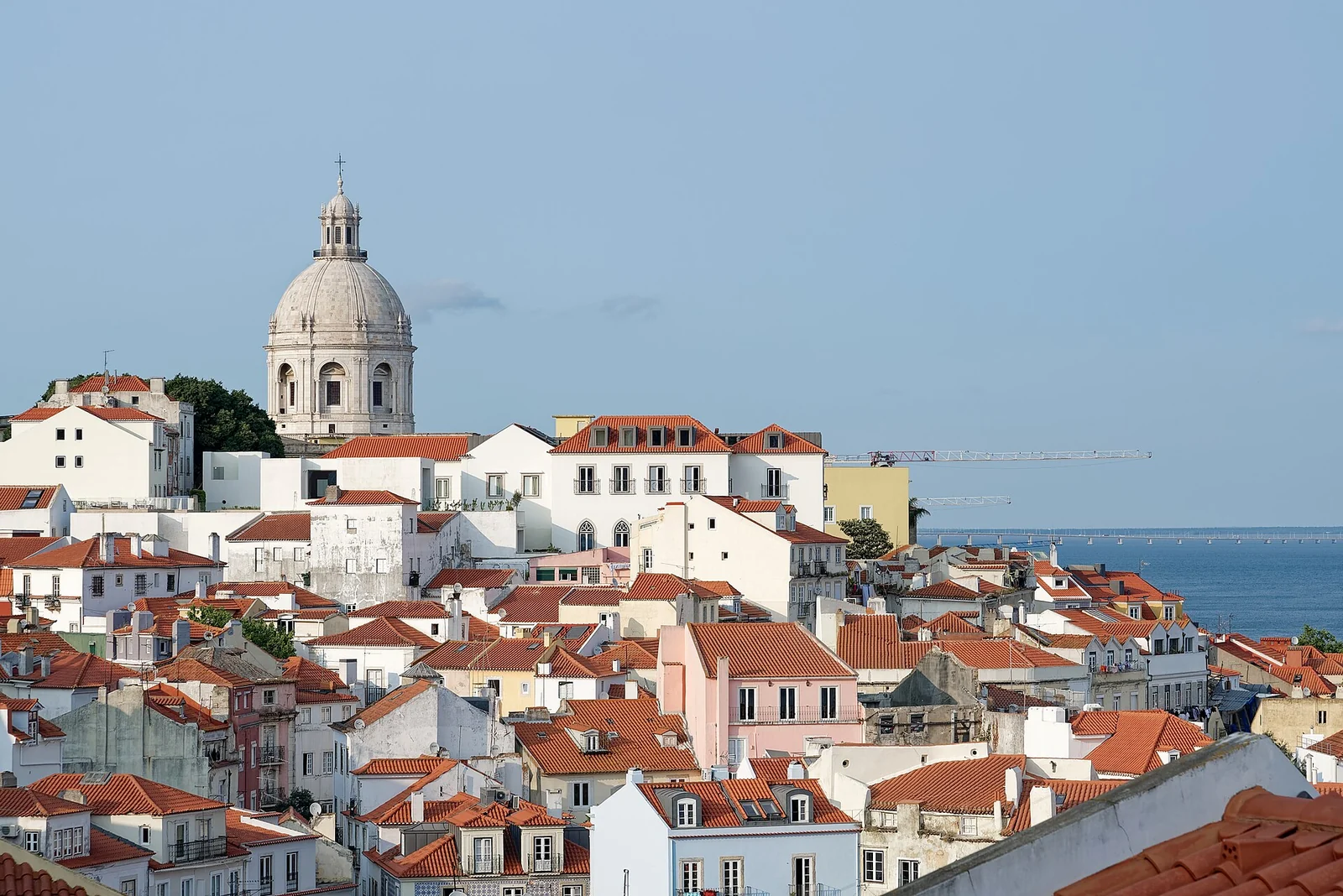
If your favorite part of travel is what happens between the planned stops, choose the walk. Alfama offers an interesting combination of tiled buildings, narrow streets, music-related history and river views. The route below has a clear beginning and finish, while leaving you free to leave a stop out.
Start at the Museu do Fado area, on Largo do Chafariz de Dentro. If the subject interests you, visit the museum before the walk; it gives the neighborhood’s musical association some context. If you would rather remain outdoors, use the square as a starting landmark and follow your mapped route uphill towards Santa Luzia.
Pause at Miradouro de Santa Luzia. The tiled setting makes this more than a distant skyline: there are details close to hand as well as the outlook over the river. Give yourself time to look around, rather than treating the viewpoint as a photograph to collect.
Continue to Portas do Sol if the walk still feels comfortable. The two viewpoints belong in the same general Alfama outing, making them a more sensible combination than chasing a distant panorama on the other side of the center. Then choose a mapped return towards the lower streets and the river, or arrange your onward journey from the place you actually reach.
Allow a loose two-to-three-hour planning block if you want a museum visit or a long food stop; this is an editorial allowance, not a timed walking claim. The hills and surfaces matter. For a lower-effort route, our Lisbon pacing guide offers a central riverside alternative.
Which option fits your trip?
Choose the workshop if you want a specific project. A confirmed session removes the question of what to do for part of the day. You still need the journey, the arrival instructions and any collection arrangements, so a workshop’s advertised length is not the entire outing.
Choose the walk if flexibility is the pleasure. You can shorten it, eat when hungry or stay at a view. You also own the navigation and the decisions. That can feel freeing when you enjoy making plans as you go, and tiring when you would prefer a host.
Choose a central indoor outing in heavy rain. Formettes and Nat’elier can be weather-independent focuses when an actual session fits, but neither should be booked as a substitute for reading the product. For unbooked alternatives, the rainy-day guide compares named museums by neighborhood and interest.
A practical way to make the decision
Put the three outings beside the rest of your itinerary. Have you already planned a lot of walking? Would a food session complicate dinner? Is this the last day, when a collection delay would matter? Those answers are more useful than trying to find an objectively best Lisbon experience.
I would choose the thing I wanted to do even if there were no photograph to bring home. A pattern at a table, the stages of a pastry or an hour among Alfama’s streets all give an afternoon a different texture. Pick one, make the journey straightforward and let that be the plan.
Sources & practical updates
Sources and practical details
Research checked 2 November 2026. Venue descriptions are operator information; suggested combinations and pacing are our editorial planning.
These guides combine independent research and original planning advice. We have not personally attended the listed experiences; illustrative routes and projects are identified in the text.