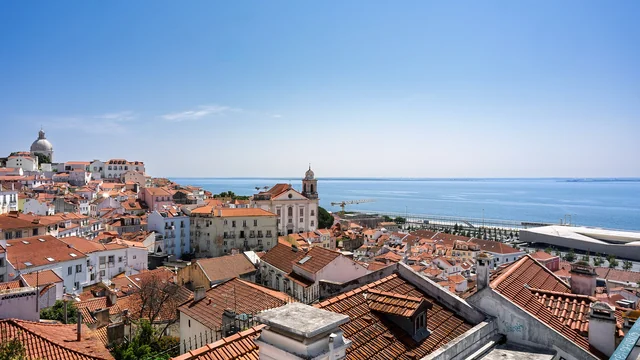
In this guide
- First, choose a lower day or an upper day
- Walk one: Rossio to the Tagus, with a gentle stopping point
- Walk two: start high, then discover Alfama on the way down
- Use transport to solve a particular climb
- A third option: make Parque das Nações the whole outing
- Put the pause into the plan
- Keep the reward clear
A line on a Lisbon map can look wonderfully innocent. Rossio, a castle, a viewpoint, a riverside lunch: all close enough to join together with one finger. The map becomes less persuasive when that finger turns into two tired legs.
The answer is to choose the shape of the outing before collecting the stops. This guide gives you a lower-town walk, a higher-start Alfama outing and a riverside alternative, with ways to shorten each. They are suggested plans for enjoying Lisbon with fewer repeated climbs, rather than promises of step-free access. If one good view matters more than another hour of walking, there is room for that too.
First, choose a lower day or an upper day
Baixa is the useful starting point for a day that follows squares and the river. Alfama and the castle side bring more changes of level, narrower streets and choices between slopes and steps. The short route between two pins can therefore be the demanding one. Look at the actual walking directions, including the way back, rather than comparing distance alone.
Portugal's tourism authority publishes an accessible Lisbon itinerary with notes on individual sites. It is a helpful way to understand the differences between the lower town, monuments and viewpoints. It does not make every pavement or entrance along your own route suitable for every visitor. Someone using a wheelchair, travelling with a pushchair or avoiding steps should check the precise approach and venue access before committing.
For everyone else, the same small habit helps: decide where the steep part belongs. Climbing once for a place you really want to see feels different from climbing three times because the saved pins were in a muddle.
Walk one: Rossio to the Tagus, with a gentle stopping point
Suggested sequence: Rossio → Rua Augusta → Praça do Comércio → Ribeira das Naus → Cais do Sodré. Choose this for a first acquaintance with the central city, a travel day or an afternoon when the group has different amounts of energy. Set aside a leisurely half-day if you want a museum and a meal; that is a planning allowance, not a measured walking time.
Begin at Rossio and look at the wave-patterned paving before heading into Baixa. Follow Rua Augusta towards the river. There is no need to race to the arch: the pleasure of this stretch is seeing the street open gradually into the enormous space of Praça do Comércio. Keep an eye on crossings and the changing pavement rather than assuming a pedestrian street removes every obstacle.
If the weather wants you indoors, MUDE, the design museum at Rua Augusta 24, is an optional detour on the way. Its collection asks how objects are made, used and valued; it gives an ordinary chair, garment or household object a little more to say. Check the exhibition ticket you want, since admission is not generally free and the museum closes on Mondays.
At Praça do Comércio, decide whether this is the finish. A drink or a quiet pause with the river in front of you can be a perfectly complete outing. If everyone wants more, continue west along Ribeira das Naus towards Cais do Sodré. This keeps the next chapter by the water instead of sending you straight back up a hill.
At Cais do Sodré, stop again and choose lunch from a menu you have actually looked at. The market area offers a practical concentration of options, but it is a place to compare prices and find a seat, rather than a guarantee of a bargain. Finish here or arrange your return from here; an out-and-back walk is optional.
Walk two: start high, then discover Alfama on the way down
Suggested sequence: Santa Luzia → Portas do Sol → a mapped descent through Alfama → Largo do Chafariz de Dentro. Choose this when tiled surroundings, rooftops and small streets are the point of the day. Organise the uphill journey first. Starting higher can reduce climbing, but descending uneven streets and steps still takes effort.
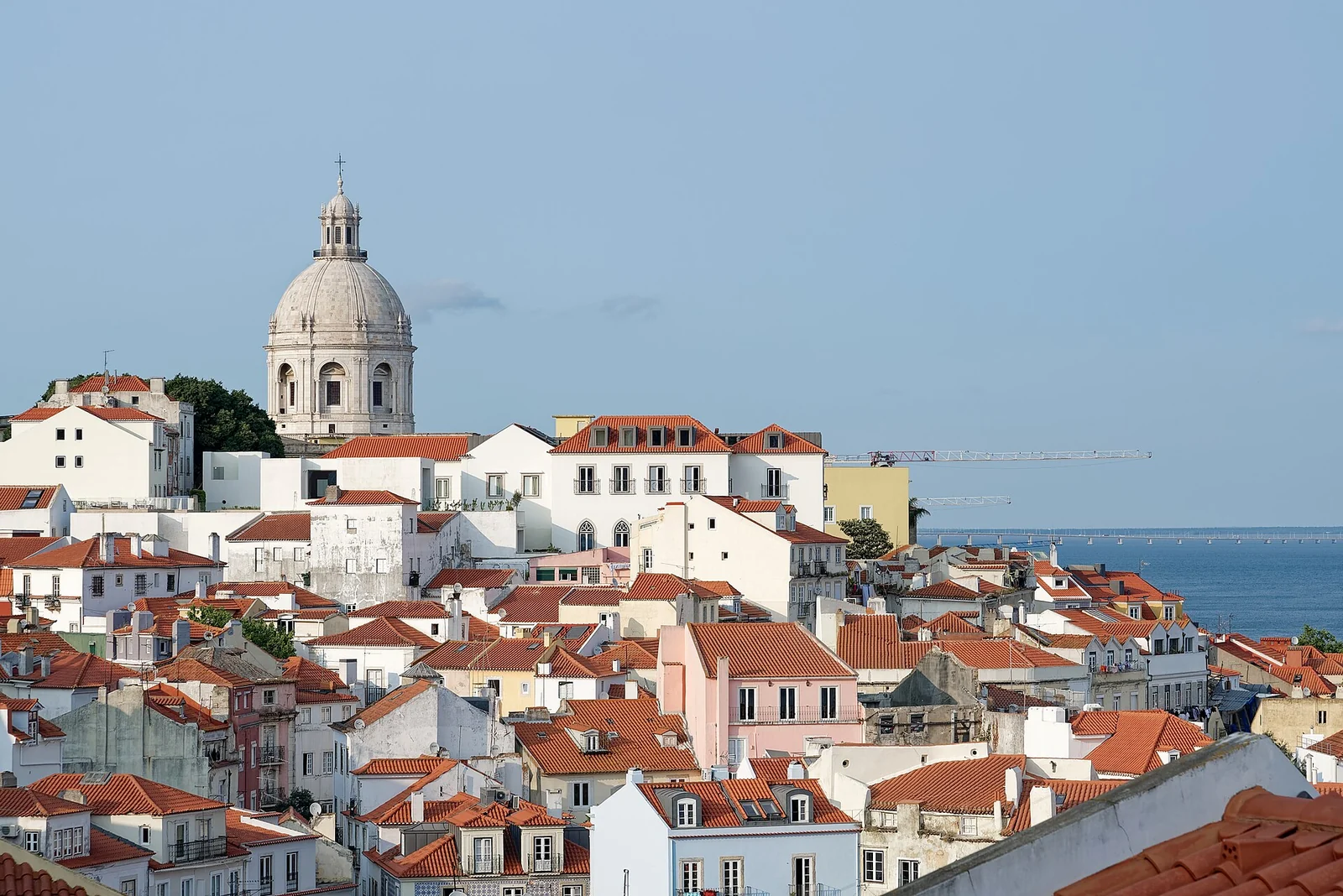
Santa Luzia is a lovely first pause because there is something to look at close by as well as far away. Notice the tile panels and garden setting before turning towards the Tagus and Alfama. Portas do Sol gives another outlook nearby. You can see both without turning the outing into a competition to collect every viewpoint on this side of Lisbon.
Now choose the route down deliberately. Put Largo do Chafariz de Dentro into your map, inspect the suggested streets and reject any staircase that does not suit your party. Leave enough time to pause at a doorway or a small square without blocking residents' entrances. This is a neighbourhood people live in, rather than a scenic corridor reserved for visitors.
The Museu do Fado, at number 1 on the square, offers an indoor ending with a clear connection to the area. It is about the music and its history, so it suits someone who wants context before choosing a separate evening performance. The museum normally opens Tuesday to Sunday. You can also finish in the square without buying a ticket: the outing does not need an additional attraction to justify the descent.
Use transport to solve a particular climb
Choose the arrival point before choosing a picturesque vehicle. CARRIS lists the 737 bus between Praça da Figueira and Castelo, which makes it a service to investigate for a castle-side plan. Read the current route, stop and service notices for your date. A bus that helps with part of the climb does not establish that the remaining walk is level or that every stop meets your access needs.
The same principle applies to taxis and other booked rides: identify a suitable drop-off and the last stretch on foot. A street name near your destination may still leave steps between you and the entrance. Ask the venue about its recommended approach if this matters.
Do not build the day around a lift or funicular merely because it appears in a photograph or an older itinerary. Current operation needs its own check. Transport is most useful here when it removes an awkward connection, rather than adding another queue to a day already short of energy.
A third option: make Parque das Nações the whole outing
If the historic centre has already supplied enough hills, consider a different Lisbon afternoon around Parque das Nações and the Oceanário. The aquarium is at Doca dos Olivais, in this eastern riverside district; Oriente is the transport hub to investigate. Plan your route from the station and entrance rather than carrying over assumptions about access from the old town.
This works especially well when the aquarium itself interests you. Build the day around that visit, then add a short waterside wander if the weather and everyone’s energy allow. It is not a nearby extension of Alfama, and trying to fit both into one small outing sacrifices the breathing room you came here for.
Put the pause into the plan
Agree on the short version before setting out. On the Baixa walk, that might be finishing at Praça do Comércio. On the Alfama outing, it might mean one viewpoint followed by the simplest suitable journey back. When travelling together, choosing the finish in advance is kinder than waiting until someone is worn out enough to ask.
Allow for a seated break, carry water and choose shoes for stone surfaces rather than a photograph. In wet weather, check the conditions underfoot and be willing to replace the descent with an indoor visit. Our rainy-day guide offers named alternatives in several districts.
Keep the reward clear
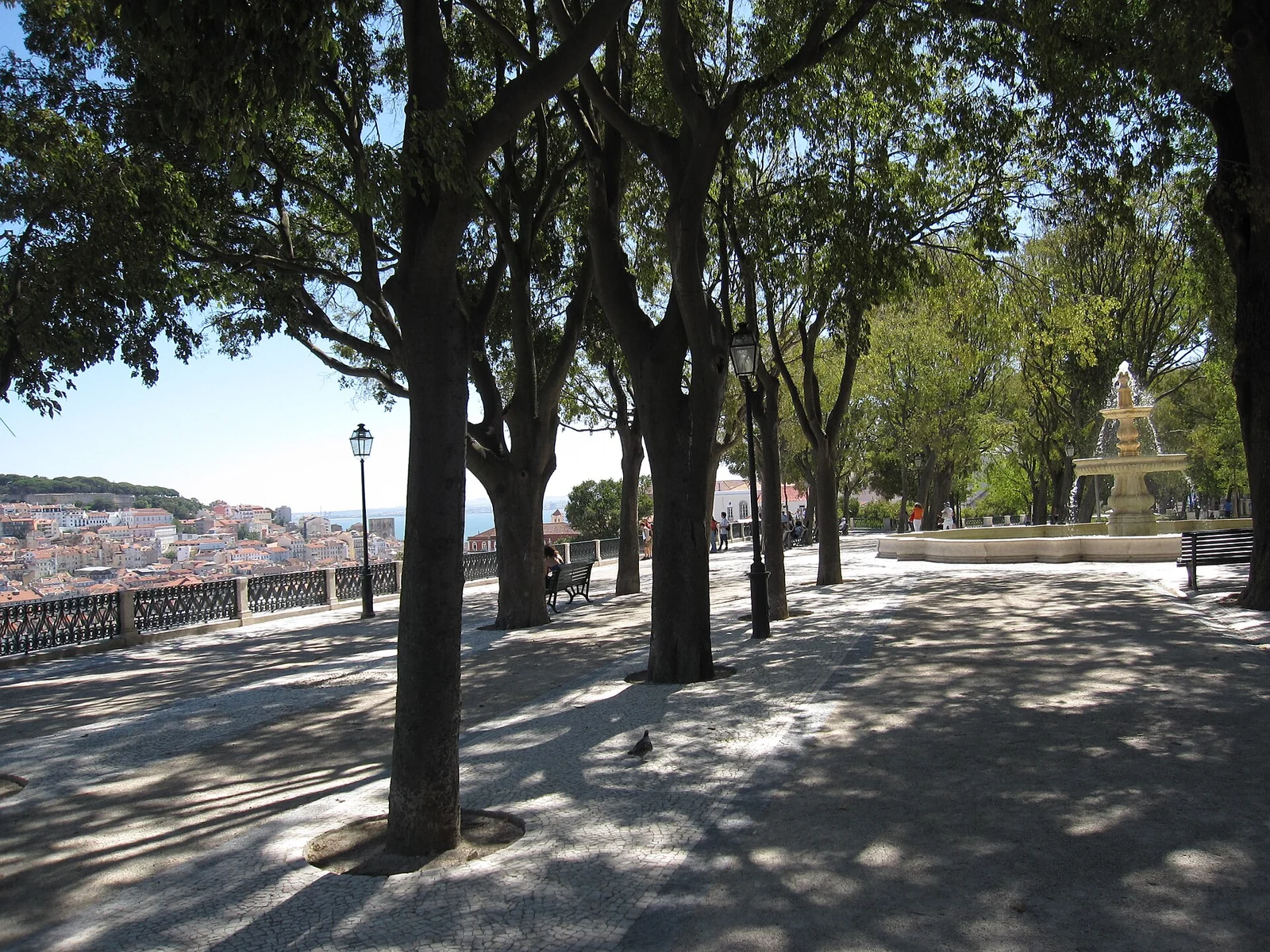
If your real wish is to look over Lisbon for a little while, choose the view first and make the rest of the plan support it. Our viewpoint guide compares five settings, including a garden above the centre and the Alfama terraces.
A good Lisbon afternoon can contain one memorable outlook, one unhurried walk and time to sit down afterwards. Leaving another hill for another day is simply a way of keeping the city enjoyable.
Sources & practical updates
Sources and planning notes
Routes and stopping points are editorial suggestions. Current venue and transport details were checked against primary public information on 2 November 2026: Visit Portugal’s accessible Lisbon itinerary; CARRIS 737; MUDE; Museu do Fado; Oceanário visitor information. Recheck the particular journey and opening arrangements for your date.
These guides combine independent research and original planning advice. We have not personally attended the listed experiences; illustrative routes and projects are identified in the text.