In this guide
- 1. São Pedro de Alcântara: put the city into perspective
- 2. Santa Luzia: enjoy the foreground as much as the view
- 3. Portas do Sol: stay with the rooftops
- 4. Graça: let the pause belong to the neighbourhood
- 5. Senhora do Monte: make the journey worthwhile on its own
- Golden hour is a plan, not a guarantee
- Choose one cluster and keep some time for it
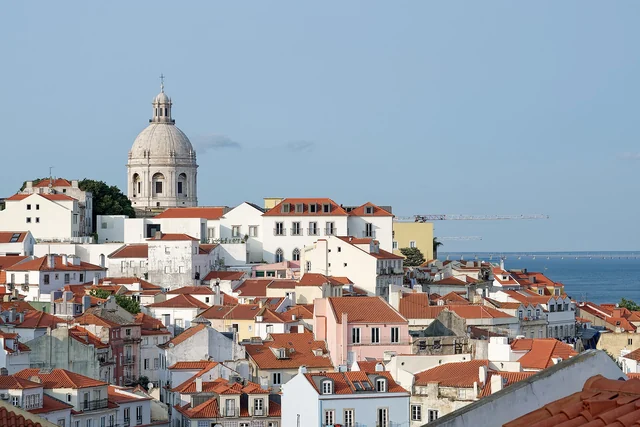
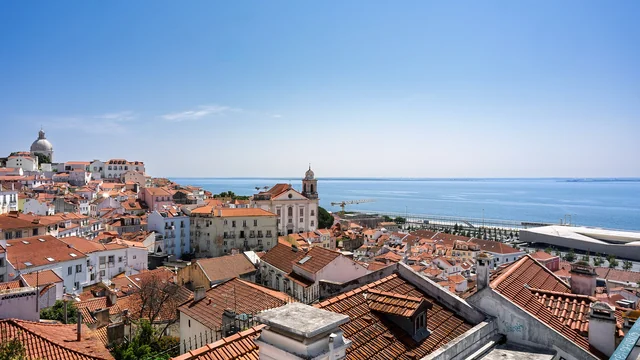
Lisbon’s viewpoints are most enjoyable when you arrive with a little time left in the afternoon. There is a city to unravel below you: church towers, rooftops, the broad Tagus, streets you may have walked without realising how they fitted together.
There is no need to visit every miradouro to get that feeling. These five settings suit different days: São Pedro de Alcântara for a garden above the centre, Santa Luzia for tiles and Alfama, Portas do Sol for a wider rooftop outlook, Graça for a neighbourhood pause and Senhora do Monte for a more ambitious climb. Choose the one that fits where you already want to be.
| Viewpoint | Choose it for | Build the outing around |
|---|---|---|
| São Pedro de Alcântara | A garden outlook towards the castle and central city | Chiado and the Bairro Alto side |
| Santa Luzia | Tiles, a garden setting and the Tagus beyond Alfama | A deliberately planned Alfama route |
| Portas do Sol | Alfama rooftops and the open river view | An alternative or companion to Santa Luzia |
| Graça | Space to pause beside the church and convent | A Graça afternoon |
| Senhora do Monte | A broad city panorama from the chapel area | The viewpoint as the main destination |
1. São Pedro de Alcântara: put the city into perspective
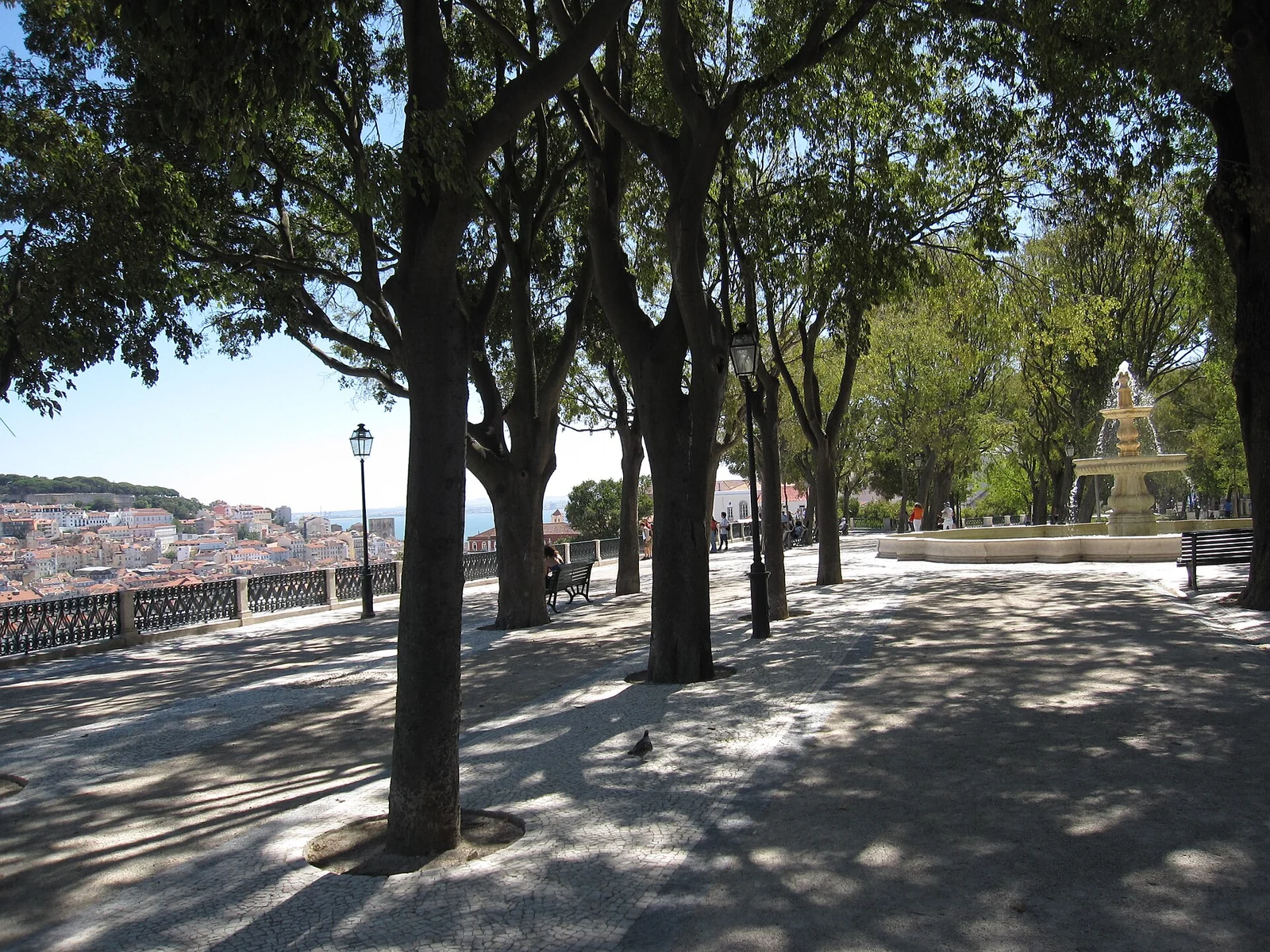
This garden viewpoint looks across the central city towards the castle. Choose it if you are spending time around Chiado or the Bairro Alto side and want an outlook that helps explain the city’s hills. It is a place to compare the landscape with the streets you have already walked, rather than simply point the camera and leave.
The garden’s upper level has a tile panel depicting the panorama, which gives you a useful starting point for identifying landmarks. Find the castle first, then follow the layers of buildings towards the lower town. Notice how much the city changes when you stop looking at individual façades and begin seeing roofs, slopes and the spaces between them. The landscape becomes easier to read with each familiar landmark.
How to use it: make this the afternoon’s final sight, with food or the journey back planned nearby. Check the actual approach from wherever you start. The viewpoint’s association with a historic transport route does not establish that the Glória funicular is operating on your date. Confirm any ride separately; do not let the whole plan depend on a picture in an old guide.
2. Santa Luzia: enjoy the foreground as much as the view
Santa Luzia offers two pleasures at once. There is the outlook over Alfama towards the Tagus, and there is the tiled, garden-like setting you are standing in. For someone drawn to Lisbon’s patterns and small decorative details, the second can be as absorbing as the panorama.
The tourism authority identifies nearby church landmarks including Santa Engrácia, Santo Estêvão and São Miguel. Looking for them gives the jumble of roofs a little structure. Then turn around and pay attention to the tile panels: a viewpoint can tell a story at arm’s length as well as across the city.
How to use it: start your Alfama outing here if you have arranged a suitable uphill journey, then choose a mapped route down. Or walk up deliberately and make this the reward, with no compulsory onward climb. Avoid blocking the paths while looking at tiles or taking photographs. A small, popular public space stays pleasant when people leave room for one another.
3. Portas do Sol: stay with the rooftops
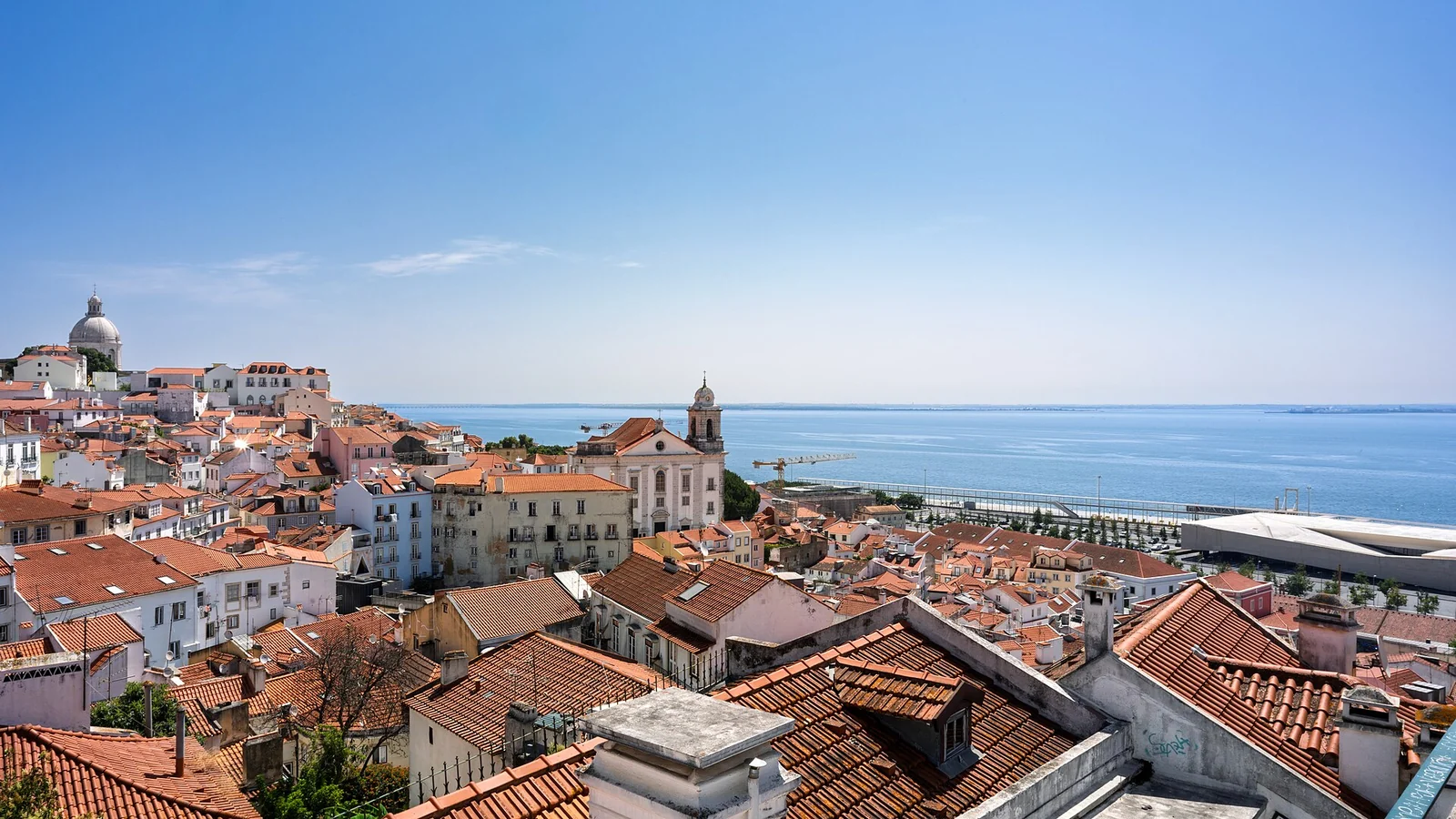
Portas do Sol is another Alfama-side outlook, close enough to Santa Luzia to consider them together rather than scheduling them as separate expeditions. It opens the view across the neighbourhood’s roofs towards the river. Choose it when your wish is the cityscape itself, with enough time to trace details rather than take one identical wide photograph.
A useful way to look is to choose a single church or a patch of colour and follow the streets around it. The whole city does not have to fit into one frame. Let the wide view introduce the place, then notice the smaller shapes: a roofline, a balcony, the change between two buildings.
How to use it: combine it with Santa Luzia only if both still feel like a pleasure. Afterwards, either retrace a route that suits you or make a planned descent through Alfama towards Largo do Chafariz de Dentro. Do not choose an unfamiliar staircase merely because it looks photogenic. Our hill-pacing guide has a practical version of this outing.
4. Graça: let the pause belong to the neighbourhood
The Graça viewpoint is officially named for the writer Sophia de Mello Breyner Andresen. Lisbon’s municipal description places it beside the Graça church and convent, with pines, benches and views over the city and Tagus. That combination makes it a good candidate for a day already spent on this side of the hills.
Think of it as the place where you stop looking for the next sight. Find a suitable place to sit, give the view a few minutes and decide whether you still want another activity afterwards. A bench pause and a café purchase are different choices; you do not have to order something every time you want to stay in one place.
How to use it: build a Graça outing with the viewpoint as its centre, rather than bolt it onto a long Baixa walk. Check the climb, the return and any particular access needs before setting out. It is better to choose an achievable approach than arrive too tired to enjoy the outlook.
5. Senhora do Monte: make the journey worthwhile on its own
Beside the Senhora do Monte chapel, this viewpoint offers a broad prospect including the castle, Baixa and the river. It is a good match for someone who wants the panorama to be the main destination, rather than a five-minute detour between shops and dinner.
Choose it because that particular city view appeals, not because a ranking tells you that every other lookout is inadequate. Its setting gives you plenty to look for. Start with the castle and the sweep towards the lower town; then allow the eye to wander rather than making the visit a search for the exact composition you saw online.
How to use it: work out the approach and descent before leaving, and keep the rest of the outing simple. A ride towards a hilltop can help some visitors, but the final pavement and access still need checking. The small chapel surroundings are shared space, so keep doorways and routes clear and give any local activity room.
Golden hour is a plan, not a guarantee
Check the sunset time for your actual date and allow enough time to arrive before it. The season changes the timing substantially. Cloud, haze and the direction of your chosen outlook affect what you see; a warm cityscape, a visible sun setting and a colourful sky are different possibilities.
Instead of booking a tight dinner immediately afterwards, leave a little margin. You may want to stay, or the weather may suggest an earlier finish. A viewpoint should still be worthwhile under ordinary afternoon light. If your only acceptable outcome is one particular sunset photograph, you have given the weather too much control over the day.
Choose one cluster and keep some time for it
For a central-city day, investigate São Pedro de Alcântara. For Alfama, choose Santa Luzia or Portas do Sol, with the other as an optional nearby stop. For a day around Graça, compare the Graça viewpoint with Senhora do Monte and make a real decision about how much climbing you want.
Charge your phone, save the return route and take a picture that includes something you personally noticed. Then put the phone down for a little while. The most useful souvenir from a viewpoint can be knowing how the city fits together when you walk back into it.
Sources & practical updates
Sources and planning notes
Location and setting checked against primary tourism and municipal information on 2 November 2026: São Pedro de Alcântara and the municipal garden description; Santa Luzia; Visit Lisboa’s Fado Route, including Portas do Sol; Lisbon municipality: Graça; Lisbon municipality: Senhora do Monte. Suggested combinations are editorial planning ideas; current access, weather and transport need date-specific checks.
These guides combine independent research and original planning advice. We have not personally attended the listed experiences; illustrative routes and projects are identified in the text.