In this guide
- Decide how you want to reach the hill
- Sacré-Cœur: distinguish the basilica from the extras
- Place du Tertre: look before you commission
- Musée de Montmartre and the Renoir Gardens
- A genuinely useful option for families
- The Rue des Saules side: an optional final wander
- Independent visit or guided neighborhood walk?
- The version of Montmartre worth keeping
Montmartre can feel as if it arrives with an itinerary already attached: climb to Sacré-Cœur, see the artists at Place du Tertre, photograph a pretty street and find a café before everyone else does. A more enjoyable approach is to give the hill one clear route and choose a couple of things you actually want to spend time with.
This suggested half-day links the basilica area, Place du Tertre and the Musée de Montmartre on Rue Cortot. You can add the quieter northern side or finish around the top of the hill. It is for a first visit that needs structure without trying to collect every recognizable corner.
Decide how you want to reach the hill
Before choosing a café or saving a long list of sights, look at the approach. Montmartre’s climbs and stairs are part of the outing. A short line on a map may ask more of your legs than the same distance on the riverbank.
The basilica’s own visitor information and current transport information are the relevant references for reaching it. If you plan to use the funicular, check the actual service and ticket arrangements for your day rather than rely on an old sightseeing itinerary. Use individual venue access information if stairs or surfaces are important to your group.
I would choose the approach that leaves enough energy for the part of Montmartre I came to see. Climbing for its own sake can be enjoyable; arriving tired before the museum you wanted is a different outcome. You do not have to earn the view with a particular route.
Sacré-Cœur: distinguish the basilica from the extras
The basilica’s official page states that ordinary entry is free and gives daily visitor hours. It is a working church, so dress and behave accordingly, follow the current instructions and allow services to take precedence over a sightseeing schedule.
A basilica visit and any separately managed dome or other paid access are different choices. Decide what interests you before joining a queue. If you want to go inside, make that the focus; if the wide outlook is your main reason for coming, you can keep the visit outside and continue with the neighborhood.
The view is a good point to pause and understand the city’s spread rather than immediately start planning the next photograph. Weather and crowds change the experience, and there is no dependable secret hour that makes a famous place empty. Leave your expectations generous enough to enjoy the visit as it is.
Place du Tertre: look before you commission
Place du Tertre is the obvious next neighborhood anchor. Take time to look at the work and the setting, then decide whether you want to spend money. If commissioning a portrait or buying something, agree the total and what is being supplied before the work begins.
You can enjoy the square without taking part in every transaction around it. A little browsing may be enough, especially if the museum is your main art stop. Avoid blocking someone’s workspace or photographing an individual’s work as if it were simply public decoration.
This is where I would keep the route moving gently towards Rue Cortot rather than turn it into a hunt for every famous café facade. A few connected streets give a more satisfying picture of the neighborhood than repeatedly doubling back for saved pins.
Musée de Montmartre and the Renoir Gardens
The Musée de Montmartre is at 12 Rue Cortot. Its permanent collections, the reconstructed Suzanne Valadon studio-apartment and the Renoir Gardens connect the hill to people who made art here. The studio setting gives you an interior world to look at after the public spectacle of Place du Tertre: objects, space and the practical surroundings of making pictures. The gardens take their name from Auguste Renoir, who lived here in 1875–76.
The practical page checked on 2 November 2026 lists an October–February museum schedule of 10am–6pm, with earlier last-admission and room-closing times. Treat that as dated visitor information and check the actual day before going. The page also distinguishes museum admission from garden-only access; the gardens are not a free public park.
Choose this stop if you want an artistic story rather than only the recognizable exterior of Montmartre. Give the exhibition you select enough time instead of treating admission as an expensive shortcut to a garden photograph. The café is a separate food purchase, with its own opening arrangements.
A genuinely useful option for families
The museum’s family page has something more specific than a general family-friendly label. It describes a family guided tour for children aged five to twelve and parents, scheduled for the first Sunday of the month, as well as an activity booklet for the permanent collection.
The museum describes its guided visits as French-language; check the actual bookable family session before arranging your day around it. For an independent visit, ask about the booklet at the counter. It can give children a way into the pictures through observing and drawing, rather than expect them to respond to an adult exhibition in the same way.
If a family museum visit is the purpose, let it shape the rest of the afternoon. A shorter neighborhood walk before or after may work better than climbing, queuing and visiting several interiors first. Our Paris family guide compares other hands-on options.
The Rue des Saules side: an optional final wander
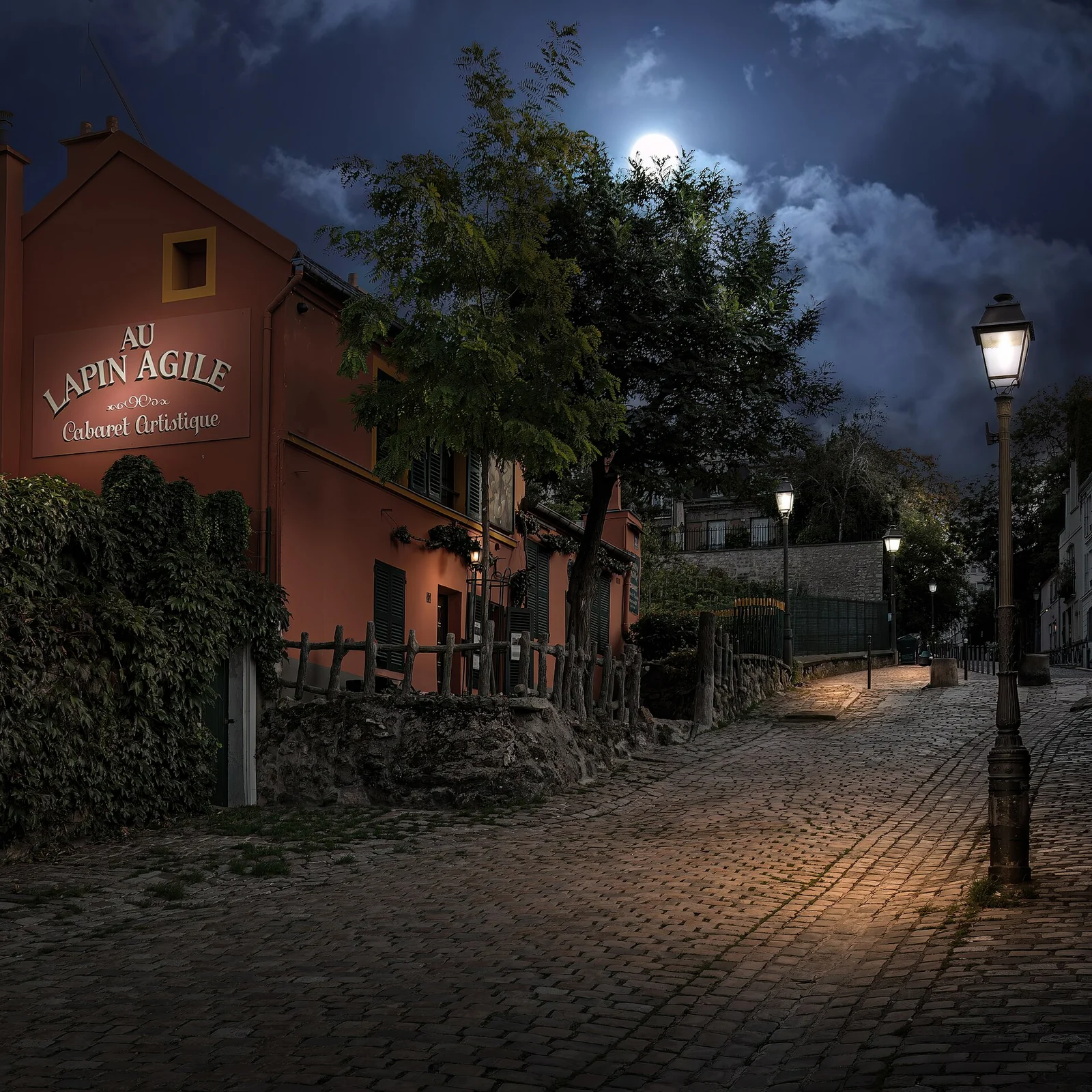
From the Rue Cortot area, the northern side offers a possible quieter-scale finish around Rue des Saules. The vineyard setting and recognizable streets give you an exterior wander, but they are not permission to enter private or managed sites. Check any specific visit you want to book separately.
Choose a short section and let it remain optional. The purpose is a change in scale after the busier top-of-hill sights, not a promise that a particular street will be empty. If the weather or your energy says enough, finish with a meal or your return journey instead.
Save the route back before the walk begins. You may prefer to leave from a different side of the hill rather than retrace the original approach. That decision is easier when everyone still has the energy to read a map.
Independent visit or guided neighborhood walk?
A guided walk is worth considering when the stories and a chosen route matter more to you than setting your own pace. Read the actual distance, stairs, duration, group size and finish. A Montmartre title does not establish that two tours involve the same physical effort.
For the route described here, independence leaves room to spend longer in the museum or skip it altogether. The tradeoff is that you do the navigation and current opening checks yourself. Neither format needs to become a statement about the correct way to travel.
The version of Montmartre worth keeping
For a first afternoon, I would keep three anchors: the basilica area, Place du Tertre and either the museum or a shorter exterior wander. Add a food pause when you need it and remove a stop before everyone becomes weary.
For another day with a different atmosphere, the Saint-Germain route moves from churches and small streets towards a garden without the same hill. Paris becomes easier to enjoy when each neighborhood gets to have its own pace.
Sources & practical updates
Sources and practical updates
Researched 2 November 2026. This is an independently researched guide, not a report of a workshop or route we have personally tried. Any quoted prices are dated public listings; selected dates and checkout terms can differ.
These guides combine independent research and original planning advice. We have not personally attended the listed experiences; illustrative routes and projects are identified in the text.