In this guide
- 1. Petit Palais: choose a few rooms and enjoy the building
- 2. Carnavalet: let the city explain itself
- 3. Bourdelle: an artist's working world near Montparnasse
- 4. Galerie Vivienne: look up, look down, keep your wallet closed
- 5. Luxembourg Garden: an afternoon in a chair
- 6. Tuileries Garden: the grand view without the museum admission
- 7. Sacré-Cœur: the basilica and the hilltop outlook
- 8. A Seine walk with a beginning and an end
- Three free afternoons that actually fit together
Some of the nicest Paris afternoons begin with a very small plan: a free museum, somewhere to sit and a walk with a view. You can have that without saving every pleasure for a ticketed attraction. These eight places offer art, architecture, gardens and river scenery with no standard admission charge for the visit described. At the end, three compact routes show how to put them together without spending the day crossing the city.
“Free” here refers to entry to the stated space or permanent collection, not transport, food, temporary exhibitions, guided activities or shopping. You can bring your own water and a snack, leave a museum when you have had enough, and keep any café stop a choice. The places are worth visiting in their own right; they are more than gaps between paid bookings.
1. Petit Palais: choose a few rooms and enjoy the building
The Petit Palais, on Avenue Winston-Churchill, is a splendid place to begin if you want a little art without planning a whole museum day. Entry to the permanent collection is free for an ordinary individual visit and does not require a reservation. Temporary exhibitions are separate, so check which doorway and display you are choosing rather than assuming every poster advertises a free show.
The building is part of the pleasure: a generous entrance, ornamented rooms and a garden that creates a different mood from the traffic outside. Try a short visit around a few works that catch your attention. You are allowed to be drawn to a piece of furniture or an unexpectedly expressive face rather than an entire artistic movement. The café is optional, and its prices are not included in the word “free”.
It normally opens Tuesday to Sunday, with specific holiday closures. If you want to continue walking, Pont Alexandre III and the Seine give you a natural outdoor next chapter. You do not need another museum ticket to make that a worthwhile afternoon.
2. Carnavalet: let the city explain itself
Musée Carnavalet, at 23 Rue de Sévigné in the Marais, is a particularly rewarding choice when you are more interested in Paris as a lived-in city than in collecting famous canvases. Its permanent collection is free without booking for a standard individual visit. Rooms, objects, signs and images offer many ways into the city's history.
Choose a theme rather than trying to absorb everything. Old shop signs can change the way you look at a street; domestic rooms can make the past feel less abstract. Give yourself permission to follow one curiosity. Afterwards, continue to Place des Vosges and look at the square as architecture, with its brick façades and arcades, rather than as a reason to buy something in every shop.
The museum's normal schedule is Tuesday to Sunday. A temporary exhibition, guided tour or special activity may have a separate charge. The permanent collection is the reliable basis of this free outing, subject to current opening notices.
3. Bourdelle: an artist's working world near Montparnasse
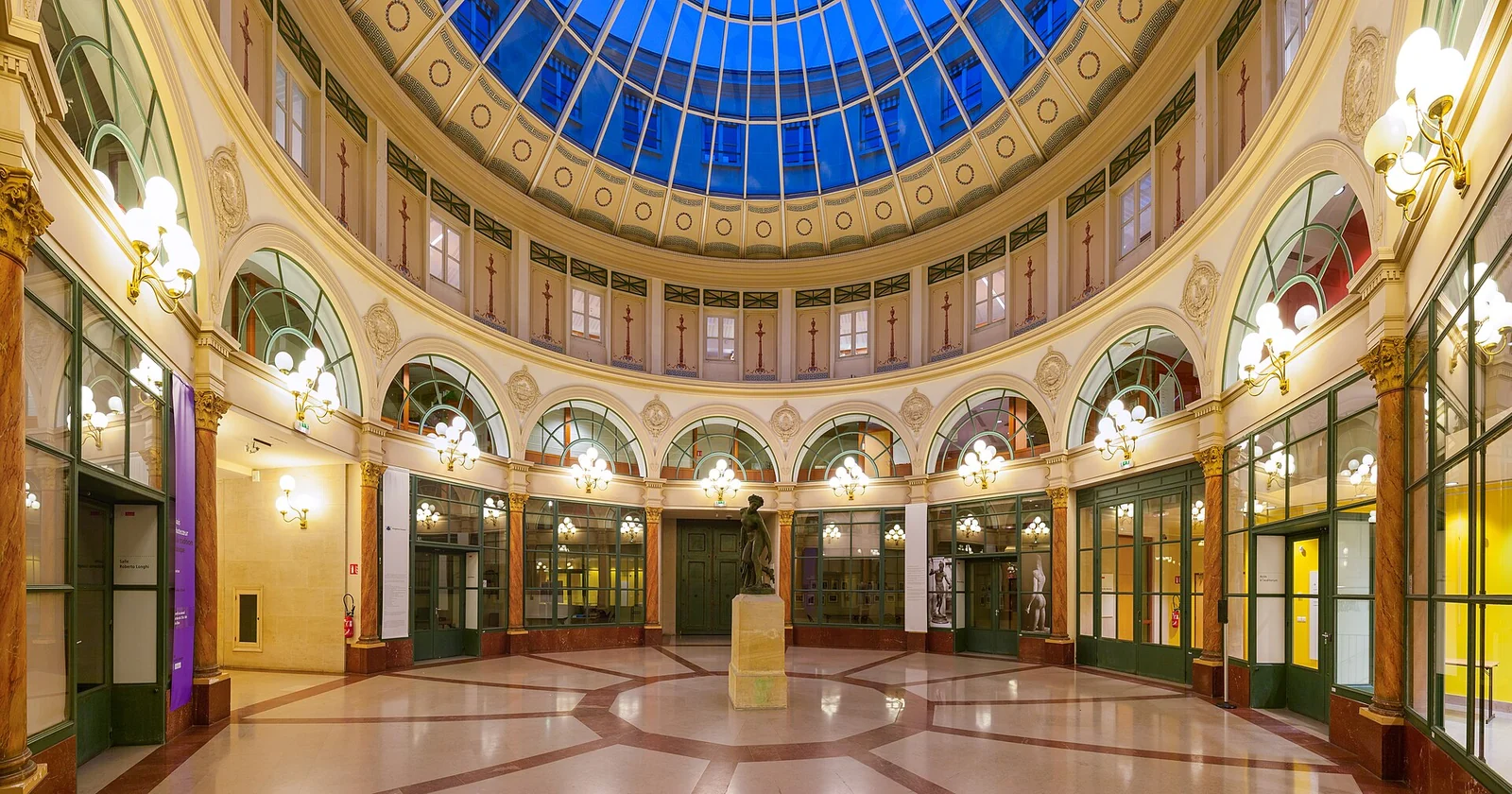
Musée Bourdelle offers a different scale of art visit: the surroundings of sculptor Antoine Bourdelle, with studios, sculpture and garden space. It is a good alternative when you would like to feel the relationship between a maker and a workplace, rather than follow a broad survey of art history.
The permanent collection is free without reservation, within capacity; temporary exhibitions are paid. The usual address is 18 Rue Antoine-Bourdelle, but the museum's current practical page says that reception works require entry through the green gate at number 16. That small detail is more useful on arrival than a long list of “hidden gems”. Check it again before visiting, as building works are temporary.
The museum normally opens Tuesday to Sunday. It is an especially convenient choice if you are staying near Montparnasse. Keep luggage at your accommodation: the museum says suitcases are not accepted, including in its cloakroom. This is a visit to enjoy before heading for the station, not a place to store a bag while waiting for a train.
4. Galerie Vivienne: look up, look down, keep your wallet closed
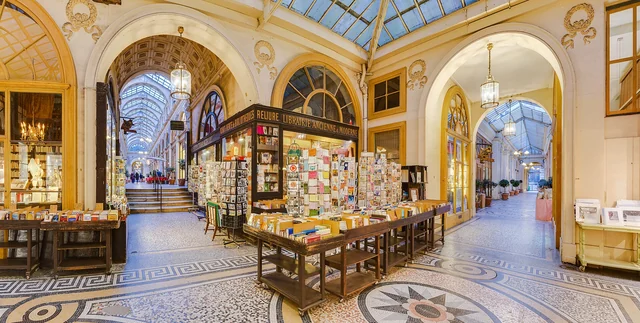
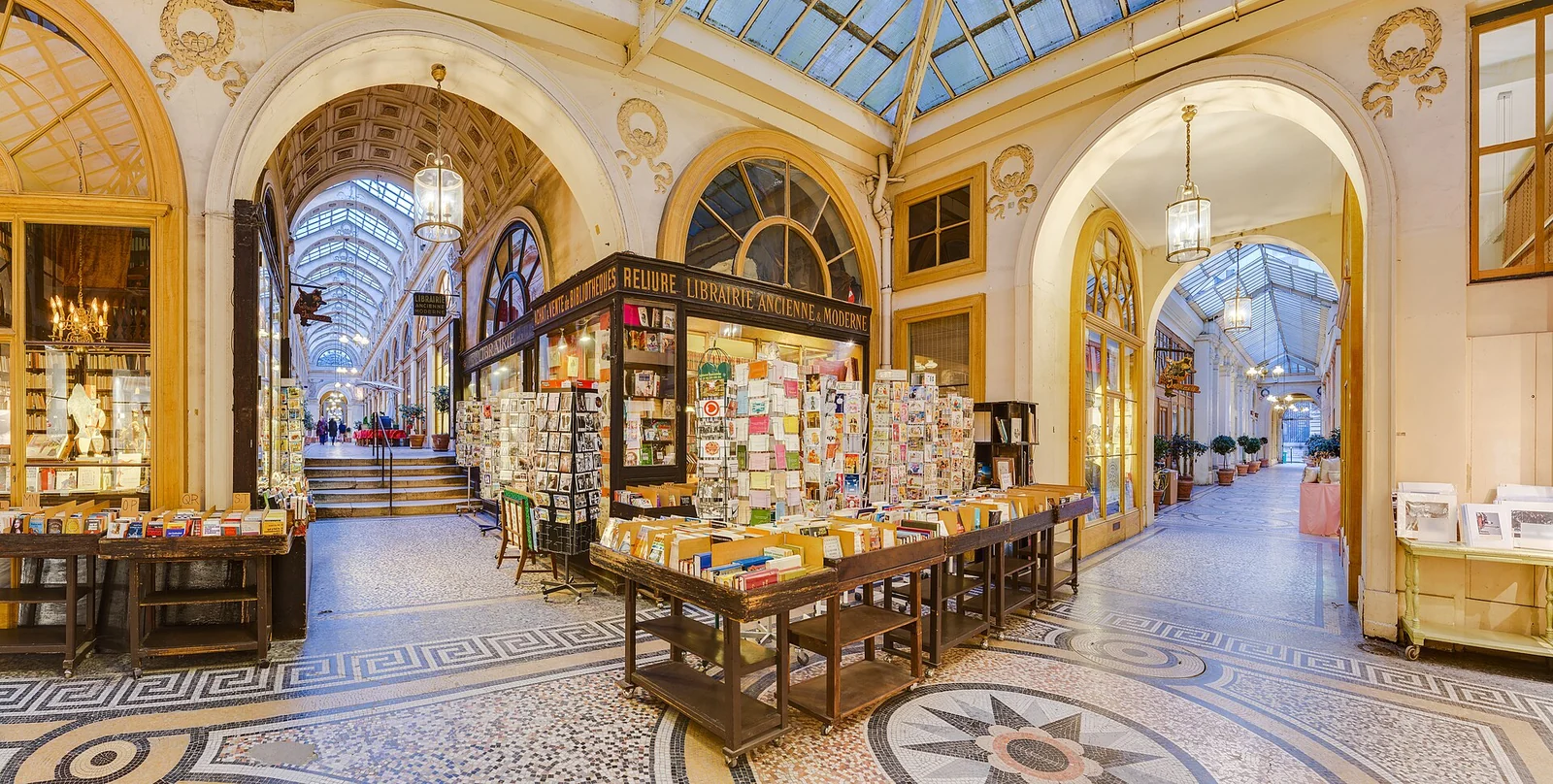
A covered passage is both a little architectural escape and a real place of business. Galerie Vivienne rewards attention to its glass roof, patterned floor and rhythm of shopfronts. Looking is enough. There is no obligation to buy a book, a bottle or a coffee in order to appreciate the passage.
Pair it with the Palais-Royal area if you want a short central walk. If passages are the main outing, our covered-passages guide continues towards Panoramas, Jouffroy and Verdeau. Those are separate passages, with uncovered street connections; do not expect one continuous indoor arcade across the city.
Access and individual business hours differ. A visit after every shop has shut has a different feel, and a locked entrance cannot be solved by a general claim that passage sightseeing is free. Check the tourist office's practical information and keep a public-street alternative.
5. Luxembourg Garden: an afternoon in a chair
The Luxembourg Garden needs no elaborate activity to justify its place in a day. Choose a chair, look towards the palace or basin, then walk to the Médicis Fountain if you feel like moving. The mix of formal space, trees and ordinary people spending time there is the attraction.
Entry is free, while some individual activities and concessions are separate. Seasonal gate times are published by the Senate and change through the year. Follow the garden's rules, including its prohibition on walking on the lawns; this is a garden for its paths and seating rather than a promise of a blanket picnic anywhere you choose.
It combines naturally with Saint-Sulpice and the streets of Saint-Germain. For a gentle budget afternoon, bring water, sit for a while, and let a little church architecture and the garden be the whole plan. The Saint-Germain guide gives a fuller route.
6. Tuileries Garden: the grand view without the museum admission
The Tuileries Garden stretches between the Louvre area and Place de la Concorde, and entry is free. It is a useful place to enjoy the breadth of central Paris without deciding that you must immediately buy tickets to every museum around it. Paths, basins, sculpture and those long views provide plenty to look at.
Choose one end and a manageable section. A short stroll towards a basin, followed by time in a chair, can be more enjoyable than marching the full length because it appears on an itinerary. In hot weather, find shade; in winter, use the daylight and check the garden's closing time. The surrounding museums have their own admission rules and are not included in free garden access.
7. Sacré-Cœur: the basilica and the hilltop outlook
Entry to the Sacré-Cœur basilica is free. It is a place of worship, so enter quietly and follow the rules posted for visitors. Paid extras such as the dome are separate choices. You can appreciate the basilica interior and the broad outlook from the hill without adding them.
Getting there involves a real hill, with steps and sloping streets depending on your route. The funicular is transport, not part of free basilica admission. Choose the approach that suits your mobility and energy instead of insisting that a free day must include every climb on foot.
Afterwards, take a small Montmartre walk rather than attempting every famous corner. Our Montmartre guide separates the hilltop, artist streets and optional paid museum so the free part remains clear.
8. A Seine walk with a beginning and an end
The river can be an outing rather than a backdrop glimpsed while rushing elsewhere. Choose a short public-street route, such as Pont Neuf to Pont des Arts, and pay attention to the bridges, water and changing views of the islands and the Louvre side of the river.
You do not have to descend to the lower quays. Access below street level can change with high water or events, and a stair-free route needs more thought than a line drawn beside the Seine. If you stay at street level, stop where there is space to look without blocking the pavement. A river cruise is a separate paid experience; the walk already has a lovely purpose of its own.
Three free afternoons that actually fit together
| Mood | A compact sequence | Why it works |
|---|---|---|
| Art and river | Petit Palais → Pont Alexandre III → a short river walk | One indoor anchor, then fresh air nearby |
| Paris history | Carnavalet → Marais streets → Place des Vosges | A museum that helps you read the neighbourhood afterwards |
| Slow Left Bank | Saint-Sulpice → Luxembourg Garden | A small route with room to sit rather than more tickets |
These are suggested shapes, not timed guided routes. Pick one, keep food and transport in your actual budget, and check the current opening notice for its main stop. On a Monday, when several city museums close, choose a garden, river or neighbourhood route instead.
Free Paris works best when it feels chosen. Spend an hour with the sculptures because you are interested, take the chair because the light is lovely, and leave a place when you are ready. The city does not become more memorable in direct proportion to the number of admission emails in your inbox.
Sources & practical updates
Sources and practical updates
Researched 2 November 2026. This is an independently researched guide, not a report of a workshop or route we have personally tried. Any quoted prices are dated public listings; selected dates and checkout terms can differ.
- Petit Palais: permanent collection access and practical information
- Musée Carnavalet: practical information
- Musée Bourdelle: free collections, current entrance and luggage rules
- Paris tourist office: covered passages
- French Senate: Luxembourg Garden practical information
- Musée du Louvre: the gardens and free access
- Sacré-Cœur: hours, free basilica entry and directions
- Paris Region: Palais-Royal garden and central Paris setting
These guides combine independent research and original planning advice. We have not personally attended the listed experiences; illustrative routes and projects are identified in the text.