In this guide
A rainy day in Paris is a good reason to make the city smaller. Instead of trying to replace every outdoor stop, choose a few places close enough that the journeys do not consume the afternoon. The covered passages are particularly useful for this: they give a walk something to look at while keeping part of it under glass.
This is a suggested route from the Palais-Royal area towards the Grands Boulevards, with an optional shorter version. It combines Galerie Vivienne, Passage des Panoramas, Passage Jouffroy and Passage Verdeau. There are uncovered streets between them, so bring what you need for the weather; this is not a continuous indoor corridor.
Best for: browsing, architectural details, bookshops and a flexible café pause. Time to give it: a leisurely half-day if you want to browse, less if you choose only the northern passages. Cost: walking and browsing need not involve attraction tickets; food, shopping and any museum visit are extra. Passage access and shop opening hours vary.
Start with Galerie Vivienne
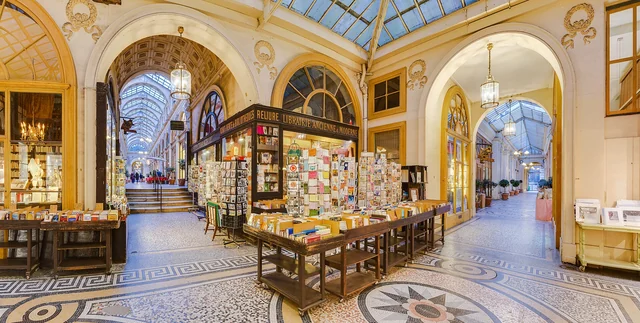
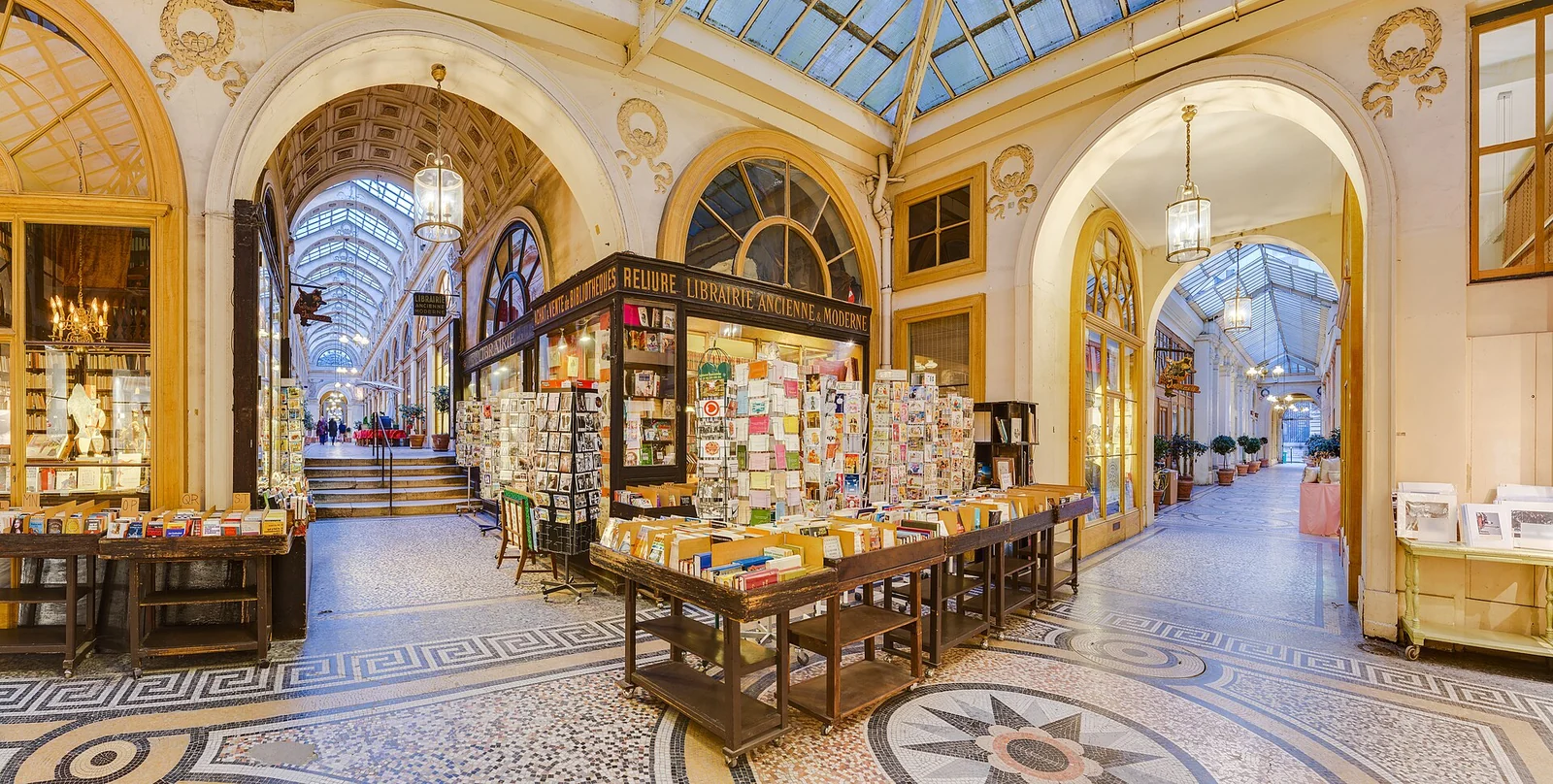
Galerie Vivienne is the place to begin if your interest is the architecture. Paris’s tourist office highlights its mosaic floor and glass-roofed setting. Look at the way the passage creates a small interior street, then notice the signs, doorways and changes in light rather than hurry to its far end.
This is also the point at which I would decide how much walking the day really needs. If you came for the experience of an elegant covered gallery, you can enjoy one properly and finish with a comfortable pause. A short outing does not need a fourth passage to validate the first.
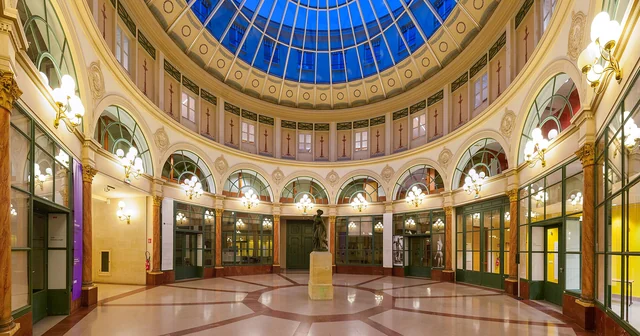
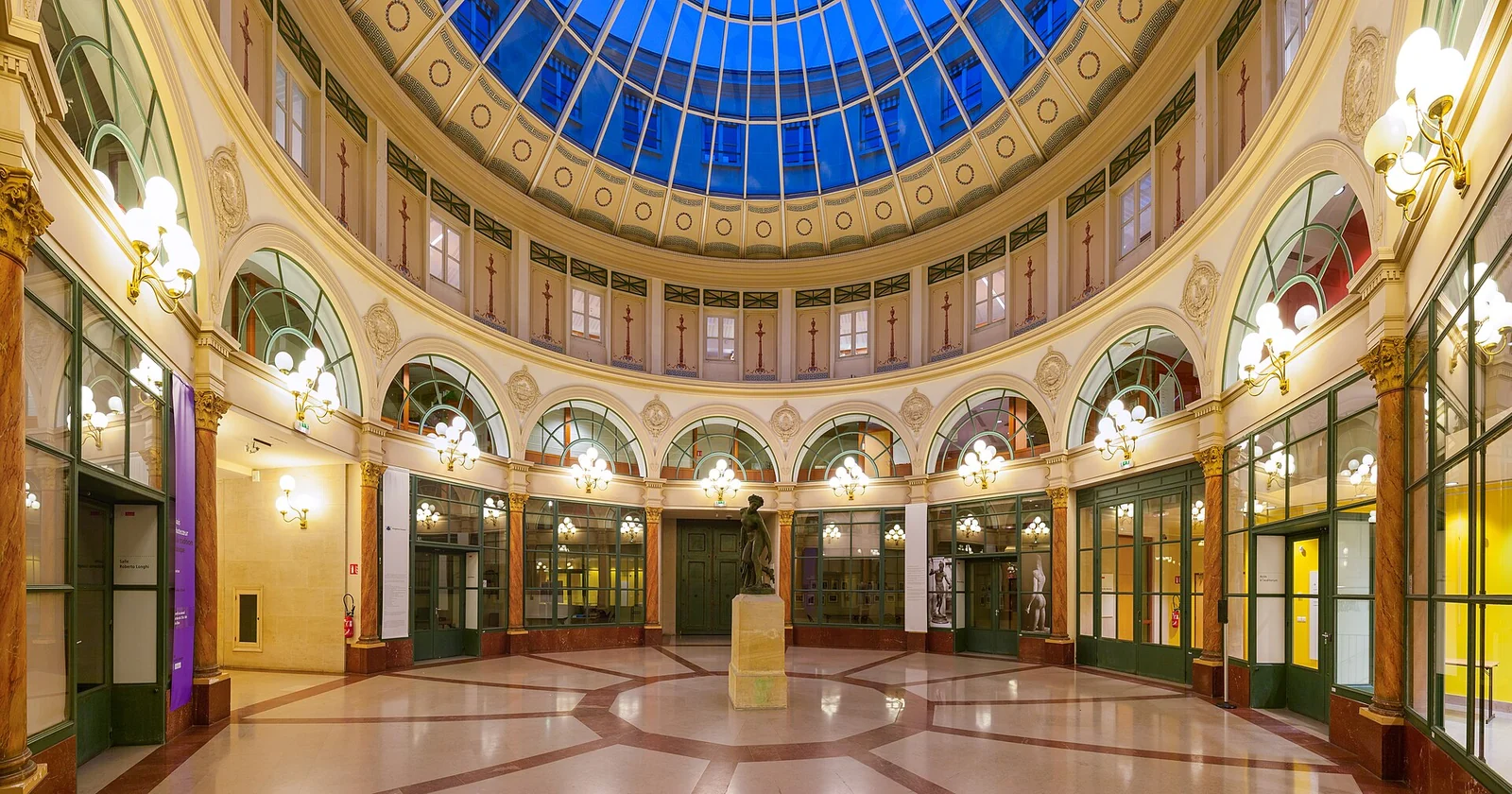
Galerie Colbert is nearby, but its institutional setting and access arrangements are not the same as a shopping arcade. Investigate current visitor access if it is important to your plan instead of assuming every gallery on an old list is open for casual wandering.
Continue to Passage des Panoramas
From the Vivienne area, the next proposed anchor is Passage des Panoramas. Check the actual street connection on your map: this is one of the uncovered portions. Leave the route flexible enough to stop for lunch if the weather makes the walk less appealing.
Panoramas has a more working-passage feel than an isolated architectural monument: places to eat, businesses and shopfronts are part of what you are looking at. Let a few menus help decide whether this is your meal stop, rather than choosing a restaurant solely because the passage is famous.
If you enjoy paper, prints or old commercial details, this part of the walk gives that interest a useful thread. You can browse without needing to buy an antique souvenir. Ask before photographing a shop interior and leave working counters clear for customers.
Cross to Passage Jouffroy
Across Boulevard Montmartre, Passage Jouffroy begins the next part of the suggested route. The street crossing is important in a heavy shower: the passages face each other as a useful sequence, but the boulevard between them is still outdoors.
Jouffroy is a good place to look at the structure above you. Paris’s tourism office describes its iron-and-glass architecture and lists the tea room Le Valentin at number 30. That makes it a concrete café possibility, not a promise of a table or a personal recommendation from a visit.
Look at its current opening and menu if you want to pause there. The nicest café choice is usually the one that fits your appetite, budget and need to sit down now. A warm drink should not become another item you feel obliged to purchase at a famous address.
Finish with Passage Verdeau
Passage Verdeau continues the northern passage sequence beyond Jouffroy. It is worth adding if browsing is the purpose of the afternoon, especially if shop windows and printed material hold your attention. Leave it optional if everyone has already enjoyed enough looking.
This is a sensible place to finish rather than turn south again to collect everything missed earlier. Find your onward route from where you actually are. Keep a saved option for getting back to your accommodation, and check current service information if you are relying on public transport.
The route is intended as a sequence of places, not a timed or accessibility-audited itinerary. If steps, surfaces or a particular entrance matter to you, use the individual passage’s current information and an actual route check.
Two versions of the afternoon
| Plan | Suggested sequence | Why choose it? |
|---|---|---|
| Longer browsing afternoon | Galerie Vivienne → street connection → Panoramas → Jouffroy → Verdeau | You want architecture, shops and time to pause. |
| Shorter wet-weather outing | Panoramas → Jouffroy → optional Verdeau | You want fewer street connections and an easy point at which to stop. |
| One place, properly | Galerie Vivienne and a nearby meal | The rain is persistent or your group wants less walking. |
I would avoid booking a tightly timed attraction in the middle of this route. The pleasure of browsing is that a window or a conversation can take longer than expected. A fixed start or finish is easier to work around than an appointment halfway through.
When a museum would be the better rainy-day choice
On a day of relentless rain, the street connections may be the wrong kind of effort. Choose an indoor visit instead of insisting on this walk. The Petit Palais and Musée Carnavalet have free permanent collections, though they are in different parts of the city and should not be treated as extra stops on the same passage route.
Carnavalet suits an interest in the story of Paris, and its Marais setting offers a separate neighborhood day. The Petit Palais suits a fine-arts visit near the Champs-Élysées. Read current opening and exhibition information before travelling; free permanent collections do not mean every temporary exhibition or activity is free.
If making appeals more than museum-going, compare the chocolate options with the perfume workshop. Those are actual bookings with their own suitability questions, rather than last-minute shelters you can assume have room.
Give the walk a small purpose
Choose one detail to follow: lettering, floor patterns, glass roofs or the way shops arrange ordinary objects. It gives the afternoon a narrative without requiring a guidebook paragraph at every doorway. Take a photograph when it adds something, then leave the screen in your pocket for a while.
In a city full of famous exteriors, the passages offer a more intimate scale. The route works best when you let it stay that way: a handful of connected places, an interesting roof above you and the freedom to stop before being outdoors becomes hard work.
Sources & practical updates
Sources and practical updates
Researched 2 November 2026. This is an independently researched guide, not a report of a workshop or route we have personally tried. Any quoted prices are dated public listings; selected dates and checkout terms can differ.
These guides combine independent research and original planning advice. We have not personally attended the listed experiences; illustrative routes and projects are identified in the text.