In this guide
- 1. Palazzo Massimo: ancient rooms brought close
- 2. Palazzo Altemps: sculpture in a Renaissance palace
- 3. Centrale Montemartini: marble among the machines
- 4. Capitoline Museums: a useful Monday possibility
- 5. Welcome To Rome: a compact visual introduction
- 6. Make something: pasta or a small mosaic
- Two practical rainy-day combinations
- Let the day have an ending
- Sources
Rome in the rain can feel like a small betrayal when you have imagined sun on pale stone. But a wet day also gives you permission to stop treating the city as one long outdoor route. There are painted gardens, marble figures beside industrial engines, Renaissance rooms and things you can make with your own hands.
These six indoor options give you somewhere specific to go, with the differences that matter when choosing. Some suit art lovers, one provides a compact introduction to the city's history and two ask you to participate. Pick by neighbourhood and interest, then build a meal around that choice. You do not need to cross Rome collecting all six because the forecast is grey.
1. Palazzo Massimo: ancient rooms brought close
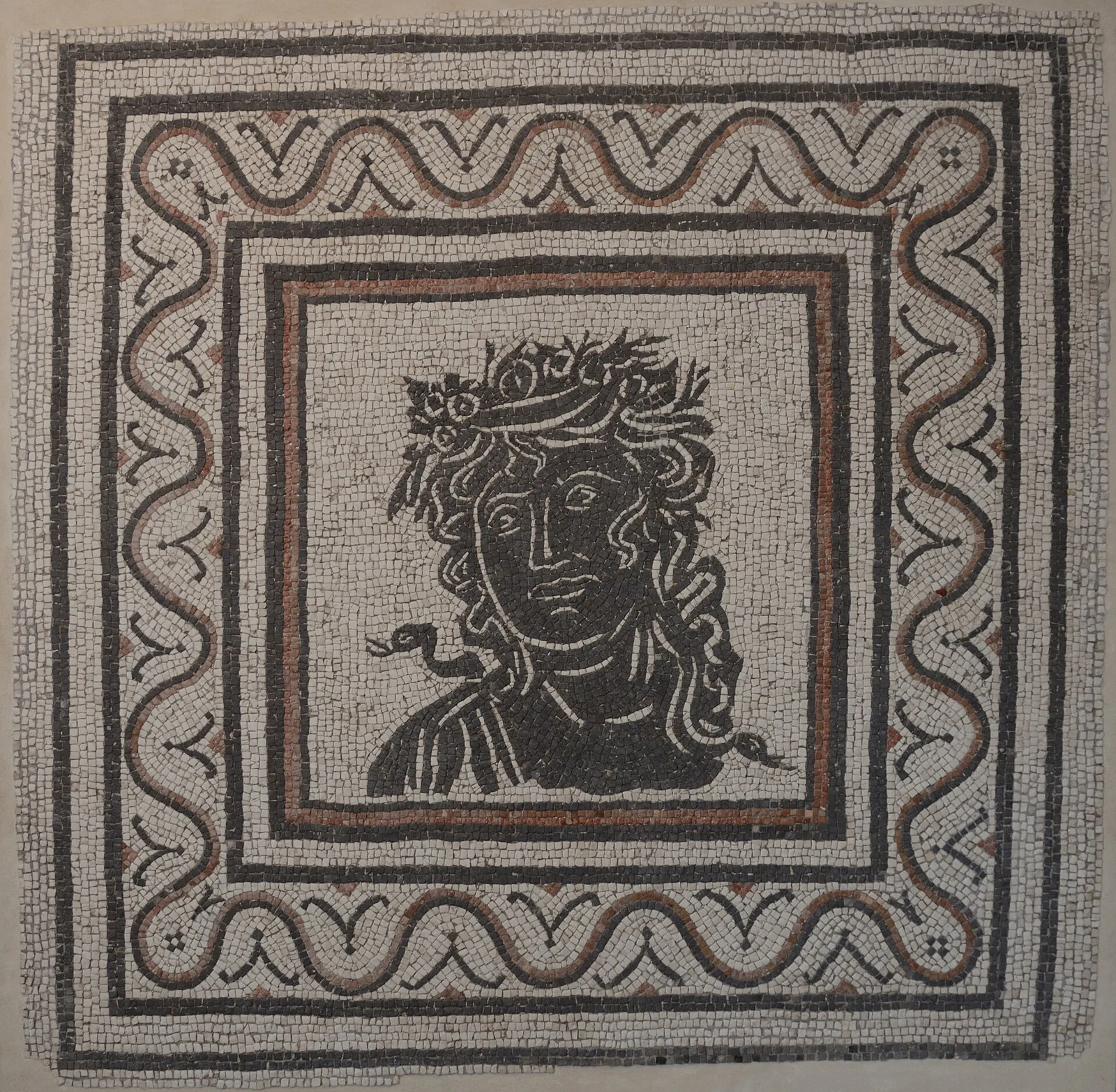
Palazzo Massimo, Largo di Villa Peretti 2, is a useful option near Termini. Part of the National Roman Museum, it holds sculpture, mosaics and frescoes. Its gallery of paintings and mosaics includes reconstructed decorative settings and the painted garden from the Villa of Livia. That is a wonderfully apt subject for a wet day: a garden you can look at indoors.
Instead of trying to remember every object, give yourself a theme. Look at how walls and floors made an ancient room feel inhabited. Where does decoration create depth, where does it frame a space, and which detail would you want to live with? The museum becomes more approachable when you let a small question guide your looking.
This works particularly well when you are staying near Termini or have luggage arrangements that let you visit comfortably before a journey. The museum's visitor information includes cloakroom details; do not assume a large suitcase will be accepted just because the station is nearby. Its sites generally close on Monday, so check the day as well as the weather.
2. Palazzo Altemps: sculpture in a Renaissance palace
Palazzo Altemps, Piazza Sant'Apollinare 46, suits a day already centred on Piazza Navona and the Pantheon. Ancient sculptures are displayed within a Renaissance palace associated with aristocratic collections. The pleasure lies partly in that meeting: a figure, the room around it and the history of people deciding what to collect and show.
Choose it when you want a museum visit with a coherent setting rather than another long outdoor archaeological walk. Begin with the palace as a whole, then let a handful of sculptures hold your attention. You can leave with a vivid impression without feeling obliged to build an encyclopaedia of Roman art.
Palazzo Altemps and Palazzo Massimo belong to the same museum organisation but are in different parts of the centre. They are alternatives for most rainy-day plans, not a natural pair to hurry between. Check the current ticket scope if you are considering more than one National Roman Museum site. Use the latest visitor notice when deciding when to arrive, particularly around public holidays.
3. Centrale Montemartini: marble among the machines
The Centrale Montemartini offers one of Rome's most distinctive visual contrasts: ancient sculpture displayed in a former power station. Heavy industrial equipment and pale marble share the same spaces. If the phrase “another museum” makes someone in your party wilt, this is a useful change of scene.
Go for the relationship between the objects as well as the objects themselves. A human figure looks different against an engine than against a palace wall. Children who enjoy machines may find their own route into the visit; adults interested in photography or industrial history have more than one reason to look.
It is in the Ostiense area, so plan the journey deliberately rather than treating it as a quick detour from Piazza Navona. Official ticket information separates ordinary admission from temporary exhibition combinations. A current exhibition can change the total, and free access for eligible Rome residents is not general free entry for tourists. Monday closure also matters here.
4. Capitoline Museums: a useful Monday possibility
At Piazza del Campidoglio 1, the Capitoline Museums make a substantial indoor anchor. This is the choice for someone who wants the rainy day to hold a major museum visit. Set aside enough attention for it; adding it after two other museums would turn a useful alternative into an endurance exercise.
The official ordinary schedule is daily, 9:30am–7:30pm, with last admission an hour before closing and exceptions on particular holidays. That makes it useful to check when other museums have Monday closures. “Museums close on Mondays” is not a reliable rule for Rome as a whole.
Give your visit an achievable focus: monumental sculpture, portraits or the way the collection connects to the city's public history. Read the official collection and exhibition information before deciding what you most want to see. It is much easier to enjoy a large museum when one room is a destination and the rest is discovery.
5. Welcome To Rome: a compact visual introduction
Welcome To Rome, in the former Cinema Augustus on Corso Vittorio Emanuele II, uses multimedia to explain the city's development. The main projection is approximately 27 minutes, alongside interactive models. That running time is not the total time required for arrival, the models and the rest of your visit.
This suits a first trip when names and ruins have begun to blur together. An overview can help you understand how different periods of Rome fit, particularly before another day of outdoor sightseeing. It also provides a different mode of looking from reading labels beside objects.
Check public admission, available languages and the session arrangements directly. The operator publishes school programmes too; a school-group price or package is not a family ticket. If your group enjoys objects more than projections, Palazzo Massimo or Centrale Montemartini may be the more satisfying choice.
6. Make something: pasta or a small mosaic
A creative session gives the weather a smaller role. With iQook, the exact researched pasta and tiramisu product is a two-and-a-half-hour English-language class with a maximum of six travellers. It includes making and eating, so count it as a meal as well as an activity. The pasta-class guide explains the precise supplier and the meeting-address distinction.
Fabio Bordi's studio on Via di Panico offers a short mosaic introduction as well as longer courses. It is a different sort of concentration: a pattern developing piece by piece, rather than a sequence of dishes. Read the mosaic guide for format, design and collection questions. A finished object's readiness for travel should be confirmed, especially if you leave the next morning.
Both activities need a real available session. They are good rainy-day ideas to reserve when suitable, rather than promises that a studio or kitchen can accommodate an unannounced arrival. If children are joining, settle their participation and age suitability with the actual provider.
Two practical rainy-day combinations
- Near Termini: Palazzo Massimo, an unhurried meal and either a short break back at your accommodation or a pre-booked iQook evening. The cooking class already includes food, so keep the earlier meal proportionate.
- Historic centre: Palazzo Altemps, lunch near the part of the centre you are using, then Welcome To Rome if you still want another indoor activity. Leave a gap for the journey; the street between them is not an indoor corridor.
Take an umbrella that is manageable in a cloakroom and a small bag you can carry comfortably. The National Roman Museum restricts bulky items and umbrellas inside exhibition spaces. Before setting off, look at the day's closure notices and the last entry, not just the headline closing time.
Let the day have an ending
A wet afternoon does not create an obligation to make up for every outdoor plan you postpone. One absorbing museum and a warm meal can be a generous day. If the rain eases, step out for a square or a short walk; if it does not, leave tomorrow's route for tomorrow.
Families can find more child-focused alternatives in Rome with children. The nicest rainy-day plan is the one that belongs to your group, rather than the forecast: something to look forward to, a comfortable journey and time to enjoy the place you chose.
Sources
Official visitor and operator information checked 2 November 2026. Routes and looking activities are our planning suggestions; check dated admission and session details before booking.
- National Roman Museum: Palazzo Massimo
- Paintings and mosaics at Palazzo Massimo
- National Roman Museum: Palazzo Altemps
- National Roman Museum: prepare your visit
- Centrale Montemartini visitor information
- Centrale Montemartini tickets
- Rome tourism: Centrale Montemartini
- Capitoline Museums visitor information
- Welcome To Rome
- Rome tourism: Welcome To Rome
- iQook exact product
- Fabio Bordi workshops
Sources & practical updates
Researched 2 November 2026. Public prices and schedules are dated snapshots. The exact booking, itinerary and access needs determine the final details.
- National Roman Museum: Palazzo Massimo
- Paintings and mosaics at Palazzo Massimo
- National Roman Museum: Palazzo Altemps
- National Roman Museum: prepare your visit
- Centrale Montemartini visitor information
- Centrale Montemartini tickets
- Rome tourism: Centrale Montemartini
- Capitoline Museums visitor information
- Welcome To Rome
- Rome tourism: Welcome To Rome
- iQook exact product
- Fabio Bordi workshops
These guides combine independent research and original planning advice. We have not personally attended the listed experiences; illustrative routes and projects are identified in the text.